
Every facility, whether industrial or commercial, must prioritize safety and compliance to ensure smooth operations and avoid costly fines. However, navigating complex electrical codes, safety standards, and energy regulations can be overwhelming. That’s where engineering consulting comes in.
In this blog, we’ll explore why engineering consulting is essential for facility safety and compliance, how it can prevent costly issues, and the key services these experts provide to businesses.
Why Safety and Compliance Matter
Ignoring safety regulations and compliance standards can lead to severe consequences, including:
- Legal and financial risks: Violations of OSHA, NFPA 70E, and other safety codes can result in hefty fines or legal action. Regulatory bodies frequently conduct inspections, and failing to meet standards can lead to significant financial penalties, litigation, and even business closures.
- Workplace hazards: Poorly maintained electrical systems can cause arc flashes, fires, and employee injuries. Inadequate safety procedures and faulty infrastructure increase the likelihood of serious accidents, putting workers’ lives at risk and exposing businesses to liability claims.
- Operational disruptions: Unexpected equipment failures due to non-compliance can bring production to a halt, causing delays and financial losses. Downtime in manufacturing, industrial, or commercial settings can lead to loss of revenue, reduced productivity, and damage to equipment that could have been prevented with proper safety measures.
How Engineering Consulting Helps
Engineering consultants specialize in assessing and improving facility infrastructure to enhance safety and ensure compliance. They provide solutions for:
- Arc Flash Assessments: Identifying hazards and implementing protective measures to prevent dangerous electrical events. These assessments help determine safe work boundaries, necessary personal protective equipment (PPE), and ways to mitigate arc flash risks in electrical panels and circuits.
- Power System Studies: Evaluating electrical networks to optimize reliability and prevent outages. Power system studies involve load flow analysis, short-circuit calculations, and protective device coordination to ensure systems operate efficiently and safely under all conditions.
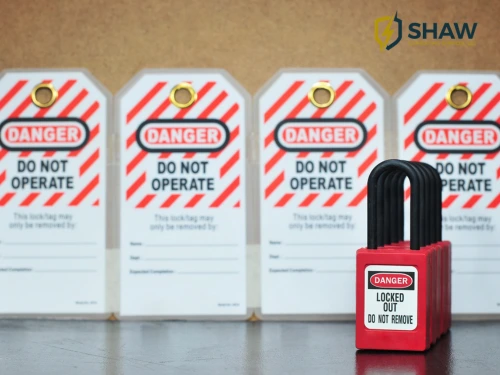
- NFPA 70E Training and Compliance: Ensuring workers follow best practices for handling electrical systems safely. Comprehensive NFPA 70E training equips employees with the knowledge to recognize hazards, follow proper lockout/tagout (LOTO) procedures, and use appropriate PPE.
- Energy Efficiency Audits: Helping businesses lower energy costs while meeting sustainability regulations. By analyzing energy consumption patterns, consultants recommend strategies such as upgrading to energy-efficient equipment, optimizing power factor correction, and implementing demand response programs.
Key Benefits of Hiring an Engineering Consultant
- Expert Guidance: Consultants bring in-depth knowledge of regulations and industry standards, ensuring facilities stay compliant. Their expertise helps businesses navigate complex safety requirements and implement best practices for long-term operational success.
- Risk Mitigation: Identifying safety issues early prevents costly repairs and downtime. Proactive consulting services help businesses detect potential hazards before they escalate into major problems, reducing liability and ensuring uninterrupted operations.
- Improved Performance: Optimized electrical systems lead to better efficiency and lower energy bills. With proper maintenance and strategic upgrades, businesses can enhance the lifespan of electrical infrastructure, reduce waste, and improve overall facility performance.
At Shaw Consulting Services, LLC, we help businesses navigate safety and compliance challenges with expert engineering consulting services. Whether it’s an arc flash study, power system assessment, or NFPA 70E training, our team ensures your facility meets industry standards and operates safely.
Engineering consulting is more than just compliance—it’s about keeping businesses safe, efficient, and prepared for future challenges. If your facility needs expert guidance to stay compliant and optimize performance, Shaw Consulting Services, LLC is here to help.
Other Recent Articles