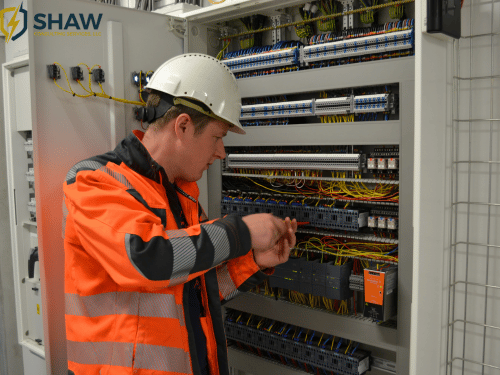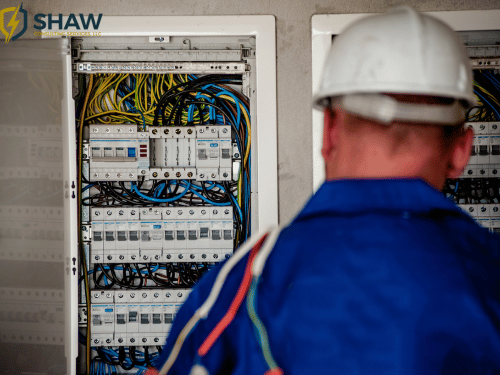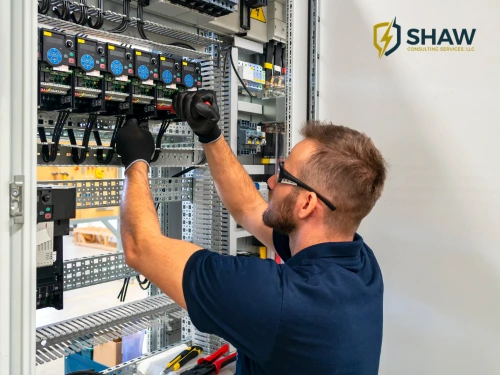
No business wants to deal with electrical failures or unexpected downtime. Power system studies help prevent these problems by assessing electrical networks and identifying weak points before they cause major disruptions.
In this blog, we’ll explain what power system studies are, why they matter, and how they can improve the reliability and efficiency of your electrical systems.
What Are Power System Studies?
Power system studies analyze how electricity flows through a facility’s network. They assess loads, faults, and system responses to ensure safe and efficient operation.
Key Components of Power System Studies:
- Load flow analysis
- Short-circuit analysis
- Protective device coordination
- Arc flash assessment
- Equipment failure analysis
- Power quality monitoring
Benefits of Power System Studies
Power system studies identify overloaded circuits, improperly coordinated protective devices, and areas with inefficient power distribution. By addressing these issues, businesses can:
Reduce downtime caused by electrical failures.
- Implement Predictive Maintenance: Utilizing AI-driven analytics and thermal imaging inspections can help detect issues before they lead to costly outages.
- Regular Equipment Testing: Performing routine tests on critical electrical components ensures that failures are identified and addressed proactively.
- Redundancy Planning: Having backup systems in place minimizes disruptions when failures occur.
Improve energy efficiency and reduce costs
- Smart Metering and Monitoring: Installing advanced metering systems helps track energy usage and optimize consumption patterns.
- Load Management Strategies: Redistributing electrical loads more evenly prevents overuse and inefficiencies.
- Upgrading to Energy-Efficient Equipment: Using LED lighting, efficient transformers, and power factor correction devices significantly lowers electricity costs.
Ensure compliance with NFPA 70E and other safety standards
- Comprehensive Safety Training: Ensuring that all employees handling electrical systems undergo NFPA 70E training reduces the risk of workplace accidents.
- Consistent Safety Audits: Regular audits help identify compliance gaps and ensure corrective measures are in place.
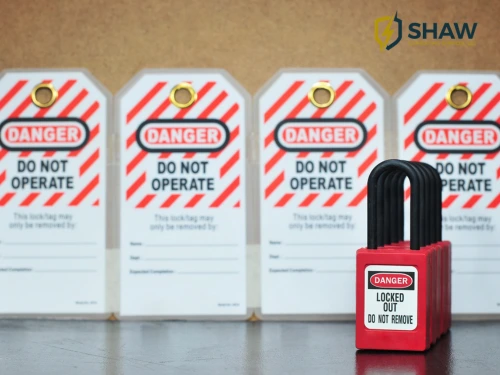
- Use of Proper Personal Protective Equipment (PPE): Equipping workers with the right PPE protects them from arc flash and electrical hazards.
Extend the lifespan of electrical equipment
- Routine Inspections and Maintenance: Checking electrical systems periodically prevents premature failures and enhances performance.
- Use of Infrared Thermography: Detecting potential overheating issues before they cause damage helps prolong the life of electrical components.
- Improving System Ventilation and Cooling: Keeping electrical enclosures at optimal temperatures prevents overheating and wear.
Optimize system performance for future growth
- Power System Studies: Conducting load flow and short-circuit analysis ensures the infrastructure can handle future expansions.
- Upgrading Infrastructure as Needed: Ensuring that electrical systems can scale with business growth reduces the risk of capacity limitations.
- Integrating Automation and Smart Controls: Implementing IoT-enabled devices improves system reliability and efficiency for long-term sustainability.
How Power System Studies Improve Efficiency
By analyzing energy usage and identifying inefficiencies, power system studies help businesses:
- Lower energy consumption by identifying wasteful power usage: By conducting detailed load flow analysis, businesses can pinpoint areas of excessive energy use and implement measures to optimize distribution, reducing unnecessary consumption and lowering utility bills.
- Implement better demand response strategies: Demand response programs enable businesses to adjust power consumption during peak demand periods, helping to stabilize the grid and reduce operational costs through incentives and real-time energy monitoring.
- Improve reliability through redundancy planning: Ensuring power availability during failures is crucial for businesses. Power system studies help design redundancy strategies, such as backup generators and alternative power feeds, to minimize downtime and maintain smooth operations.
- Ensure backup power systems function properly: Testing and analyzing backup power systems, such as UPS (Uninterruptible Power Supplies) and standby generators, ensures they activate seamlessly during outages, providing uninterrupted power and protecting critical infrastructure.
Shaw Consulting Services, LLC specializes in power system studies that help businesses in Atlanta maintain efficient and reliable electrical operations. Our engineering consulting services provide actionable insights that can transform your facility’s performance, ensuring compliance with industry standards while optimizing energy use and system reliability.
Investing in power system studies ensures that your facility runs smoothly while minimizing safety risks. Whether you’re looking to improve energy efficiency, enhance reliability, or reduce operational costs, these studies provide valuable insights that keep your business running at its best. If you’re looking to improve your electrical infrastructure, Shaw Consulting Services, LLC is here to help.
Other Recent Articles