An Introduction to Power System Studies

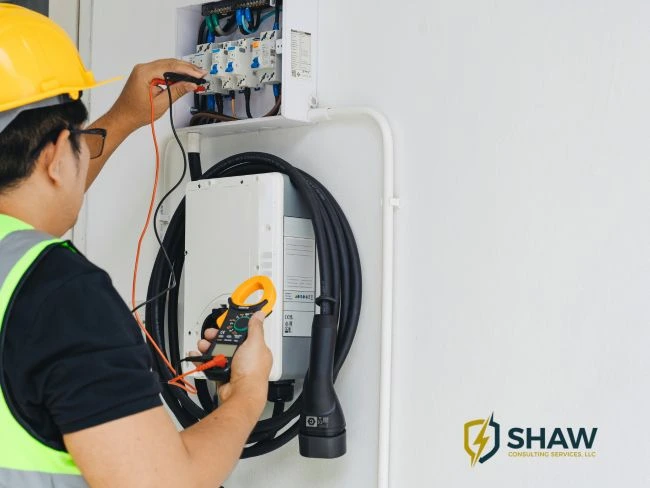
Ensuring workplace safety and efficiency is critical, particularly with electrical systems. Conducting power system studies can identify and mitigate potential electrical hazards, thus enhancing both safety and coordination. This guide delves into the various types of power system studies essential for maintaining an optimal electrical setup.

Types of Power System Studies

Short Circuit Analysis

Short circuit analysis evaluates your electrical system’s ability to withstand and respond to short circuit conditions. This study is crucial because short circuits can cause significant damage to equipment and pose serious safety risks. The analysis involves calculating the maximum current that can flow through the system during a fault, ensuring all protective devices like circuit breakers are rated correctly to handle these high currents.

Arc Flash Analysis

Arc flash analysis assesses the risk of arc flashes—sudden releases of energy caused by electrical arcs, which can result in severe injury or death. This study identifies areas where arc flash hazards exist, evaluates the potential severity of incidents, and recommends measures to reduce risk, such as installing proper protective equipment and labeling hazardous areas.

Coordination Study

A coordination study ensures that the protective devices in your electrical system operate in a coordinated manner during faults. This means that only the faulted section is isolated, minimizing disruption to the rest of the system. Proper coordination prevents unnecessary downtime and protects sensitive equipment from damage.

Load Flow Study

The load flow study, also known as power flow analysis, examines the distribution of electrical power within your system. It helps identify overloaded circuits and equipment, voltage drops, and power losses. This study is essential for optimizing the system’s performance, ensuring that power is delivered efficiently, and planning future expansions.

System Evaluation

A comprehensive system evaluation provides a thorough assessment of your entire electrical infrastructure. This study looks at the overall design, equipment condition, and system performance. It highlights areas needing improvement or upgrade to enhance reliability, efficiency, and safety.

Power system studies are essential for maintaining a safe, efficient, and cost-effective electrical system. By identifying potential issues and recommending corrective actions, these studies help prevent accidents, reduce downtime, and extend the lifespan of electrical equipment. Partnering with experts like Shaw Consulting Services ensures your system meets safety standards and operates at its best.

Don’t wait for electrical issues to cause disruptions in your workplace. Contact Shaw Consulting Services today to schedule a comprehensive power system study. Our team of experts will help you identify risks, enhance efficiency, and ensure the safety of your electrical infrastructure. Invest in the reliability of your power systems now and experience the benefits of a well-maintained electrical setup. Get in touch with us to learn more and take the first step towards a safer, more efficient workplace!

Other Recent Articles
LOTO Compliance Checklist

LOTO Compliance Checklist: How to Audit Your Lockout/Tagout Program Before OSHA Does

Having a lockout/tagout program on paper and having one that would survive an OSHA inspection are two different things. LOTO violations consistently rank among OSHA's most frequently cited standards, and the gaps that get facilities in trouble are rarely dramatic....
Electrical Engineering Consultant

What Does an Electrical Engineering Consultant Actually Do? Services, Process, and What to Expect

An electrical engineering consultant analyzes your facility's electrical systems, identifies risks and inefficiencies, performs technical studies, and delivers documentation that helps you make informed decisions about safety, compliance, and infrastructure planning....
Arc Flash Study Report

How to Read Your Arc Flash Study Report: A Plain-English Guide for Facility Managers

An arc flash study report tells you how much energy could be released at each point in your electrical system during a fault, what protective equipment workers need, and where your highest-risk areas are. The problem is that most of these reports are written by...
EV Charging Infrastructure

EV Charging Infrastructure and Electrical Safety: What Facilities Need to Know Before Installing

Adding EV chargers to a commercial or industrial facility introduces electrical safety risks that go well beyond the installation itself. Ground fault exposure increases in wet parking environments. Arc flash incident energy values can change at panels and switchgear...
Electrical technician performing preventive maintenance.

The Facility Manager’s Guide to Electrical Maintenance Intervals: What to Do and When

A practical electrical maintenance calendar for facility managers covering routine inspections, thermography, breaker testing, and arc flash study reviews.

Electrical technician inspecting an industrial control panel to improve electrical safety and reduce arc flash risks.

Arc Flash Insurance Requirements: Why Carriers Ask and What to Do

Insurance carriers are increasingly asking facilities for current arc flash studies. Learn what documentation insurers want, what can happen if it’s missing, and how to prepare before your next policy renewal.

Can Your Electrical System Handle the Next Load? Why 30-Day Metering Matters Before Adding EV Chargers, Tenant Panels, or Major Equipment

Adding electrical load to an existing facility can feel like a straightforward decision at first. A tenant needs more power. A company wants to install EV chargers. A manufacturing facility is adding a new piece of equipment. A property owner is planning upgrades to...
Electrical engineering consultant performing diagnostic measurements with a multimeter during a site inspection

What Does an Electrical Engineering Consulting Scope of Work Actually Include?

An electrical engineering consulting scope of work defines the studies, deliverables, standards, timeline, assumptions, and exclusions for a project. Use this guide to compare proposals and identify gaps before work begins.

Thermographic Scanning for Arc Flash Risk Reduction

How Thermographic Scanning Supports Arc Flash Risk Reduction Strategies

Arc flash assessments and thermographic scanning are often treated as separate line items on a facility's safety budget: two independent services, scheduled independently, producing separate reports that live in separate binders. That separation is a missed...
Infrared Thermography for Seasonal Maintenance

Infrared Thermography for Seasonal Maintenance: Why Timing Matters

Infrared thermography is one of those tools that gets more powerful the smarter you are about when you use it. The technology itself, a thermal camera that reads heat signatures through surfaces without contact, is well understood. The part that most facilities get...