
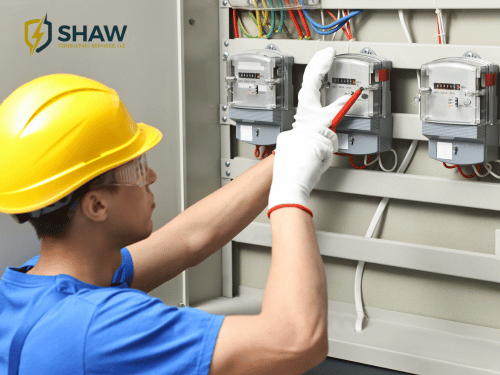
Most facility managers get one number about their electricity each month: the total on the utility bill. It tells you what you spent. It doesn’t tell you where the power went, when demand peaked, or whether your equipment is being stressed by the electricity feeding it.
Electrical metering fills that gap. Here is what it measures, why it matters, and how to tell when your facility needs it.
What Is Electrical Metering?
Electrical metering is the measurement and recording of how electricity flows through a facility’s distribution system. Meters installed at the service entrance, on individual panels, or on specific equipment capture data such as energy use, peak demand, voltage, and current. Facility teams use that data to control costs, plan capacity, and spot problems early.
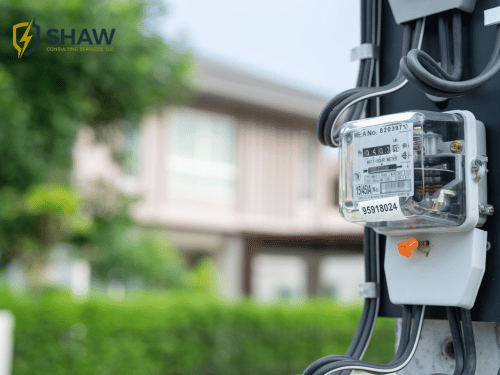
The utility meter at your service entrance is the one metering point every building has. It only sees the building as a whole. Metering inside the facility breaks that total into pieces you can act on.
What Electrical Metering Measures
A modern meter can track much more than kilowatt-hours. The core measurements include:
- Energy consumption (kWh): Total electricity used over time. This drives most of your bill.
- Demand (kW): The rate at which you draw power, usually averaged over 15 minutes. Many commercial rates charge for your highest demand interval of the month, so one short spike can raise the whole bill.
- Voltage and current: Shows whether circuits are loaded evenly and whether voltage stays within acceptable limits.
- Power factor: How efficiently your facility uses the power it draws. A low power factor can lead to utility penalties and wasted capacity.
- Power quality: Harmonics, voltage sags, swells, and imbalance. These invisible conditions shorten the life of motors, drives, and electronics.
The Main Types of Electrical Metering
Revenue metering is the utility’s meter, used for billing. You don’t control it, but its interval data is often available on request.
Submetering puts meters on specific panels, departments, tenants, or equipment. It answers questions like “Which building wing uses the most power?” or “How much should each tenant pay?”
Demand or interval metering records usage in short time blocks so you can see exactly when peaks happen and what causes them.
Power quality metering captures fast electrical events and waveform distortion. It’s the tool for troubleshooting unexplained equipment failures or nuisance tripping.
Temporary metering uses portable meters installed for a set period, often 30 days, to gather load data for a specific decision without a permanent installation.
If you’re weighing continuous data against periodic checks, our breakdown of electrical metering versus traditional monitoring covers the tradeoffs in detail.
Why Electrical Metering Matters
It turns your energy bill into something you can manage. Once you see which systems drive consumption and demand peaks, you can shift loads, adjust schedules, or target upgrades where they will actually pay off.
It tells you how much capacity you really have. Panel labels and original drawings rarely match what a building uses today. Measured data shows real loading, so you know whether a panel has room to spare or is closer to its limit than anyone realized.
It catches problems before they become failures. A gradual rise in current on a feeder, an imbalance between phases, or growing harmonic distortion are early warnings. Metering surfaces them while they’re still cheap to fix.
It supports safety and compliance work. Accurate load data feeds engineering studies and helps confirm that equipment is operating within its ratings.
When Your Facility Needs Electrical Metering
Metering isn’t something every building needs everywhere. These situations are the clearest signs it’s worth doing:
- You’re adding a significant load. EV chargers, new production equipment, a data closet, or a new tenant all raise the same question: can the existing system handle it? The National Electrical Code allows existing loads to be based on actual measured demand, and a 30-day metering period is a common way to get that data.
- Your energy costs are rising without a clear reason. Interval data usually reveals the cause within weeks.
- Breakers trip or equipment fails without explanation. Power quality metering often points to harmonics, voltage dips, or overloaded circuits.
- You need to allocate costs. Multi-tenant buildings and multi-department campuses need submetering to bill fairly.
- You have sustainability or reporting goals. You can’t reduce what you can’t measure, and many benchmarking programs require verified consumption data.
- You’re planning an engineering study or major upgrade. Real load data makes the model, and the recommendations built on it, more accurate.
Permanent or Temporary: Which Is Right?
Permanent metering makes sense when you need ongoing visibility, such as tenant billing, energy management programs, or critical equipment you want to watch continuously. Temporary metering is the better fit for a one-time question, like confirming capacity before a new load goes in. Many facilities start with a temporary study, then install permanent meters only where the data shows ongoing value.
How Shaw Consulting Services Helps
Meters generate numbers. The value comes from knowing what those numbers mean for your next decision. Shaw Consulting Services provides electrical metering solutions that pair field data collection with engineering interpretation. Our 30-day metering reports document the average, maximum, and minimum loads on each metered panel, so facility managers in Atlanta and beyond can tell their contractors, owners, and inspectors with confidence whether a new load fits. Before you size a new service or pay for an upgrade you may not need, let the data answer the question.
Frequently Asked Questions
What is the difference between electrical metering and an energy audit?
Electrical metering collects measured data on how power is used. An energy audit is a broader review of building systems and efficiency opportunities, and it often relies on metering data as one input.
How long should electrical metering run before adding a new load?
Thirty days is a common minimum because it captures a full cycle of weekday, weekend, and operational variation. Seasonal facilities may benefit from metering during their peak season.
Is submetering worth it for a single-tenant building?
Often, yes. Submetering major systems like HVAC, lighting, and process equipment shows where energy goes and which upgrades will deliver the best return.
Can electrical metering detect power quality problems?
Yes, if you use power quality meters. Standard energy meters record consumption and demand, while power quality meters capture harmonics, sags, swells, and transients.
Does metering require shutting down equipment?
Installing meters usually involves work inside energized panels, so it should be done by qualified personnel following proper safety procedures. Downtime is often minimal or avoidable.