
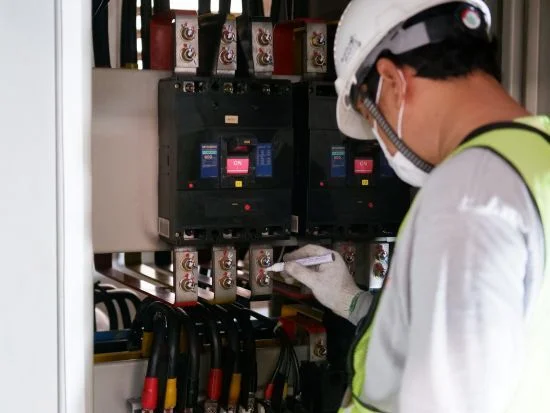
Adding electrical load to an existing facility can feel like a straightforward decision at first.
A tenant needs more power. A company wants to install EV chargers. A manufacturing facility is adding a new piece of equipment. A property owner is planning upgrades to make the building more attractive and functional.
On paper, it may seem simple: find the panel, check the rating, confirm there is space, and move forward.
But electrical systems rarely tell the full story at a glance.
A panel schedule may show available space. A piece of equipment may appear to have enough capacity. An older set of drawings may suggest the system was designed with room to grow. But none of that answers the most important question:
What is the system actually doing under real operating conditions?
That is where 30-day electrical metering becomes valuable. It replaces assumptions with measured data, giving facility owners, managers, contractors, and engineers a clearer understanding of how much capacity is truly available before a new load is added.
Why “Available Capacity” Is Not Always Obvious
One of the most common mistakes in facility planning is assuming that electrical capacity can be determined from nameplate ratings or panel schedules alone.
Those documents are important, but they don’t always reflect how a building is currently being used. Facilities change over time. Equipment is added. Tenants come and go. HVAC systems are replaced. Production schedules shift. Offices become labs, warehouses become light manufacturing spaces, and parking lots become candidates for EV charging.
Even when the original electrical design was sound, the system may now be operating under very different conditions.
A panel rated for 400 amps may not be close to that level most of the time. Or it may be running much closer to capacity than anyone realizes during peak operating hours. A facility may appear to have plenty of room in the morning, then reach its highest demand in the afternoon when HVAC, process equipment, lighting, and other loads are all active at the same time.
Without metering, it is easy to either overestimate or underestimate available capacity. Both can become expensive.
Overestimating capacity can lead to overloaded equipment, nuisance trips, overheating, safety concerns, and operational downtime. Underestimating capacity can lead to unnecessary service upgrades, oversized infrastructure, or capital expenses that may not actually be needed.
The goal is not to guess conservatively or optimistically. The goal is to know.
Where 30-Day Metering Fits In
A 30-day metering study involves placing metering equipment or data loggers on selected panels, feeders, or circuits to capture actual electrical usage over time.
Instead of relying on a snapshot, the monitoring period shows patterns. It captures minimum load, average load, peak demand, daily fluctuations, and unusual events that may only happen at certain times of day or under certain operating conditions.
That matters because electrical systems are dynamic. The load at 7:00 a.m. may look very different from the load at 3:00 p.m. A weekday profile may look different from a weekend profile. A production day may look different from a maintenance day. A commercial building may peak when HVAC is working hardest, while an industrial facility may peak during a specific shift or process.
Thirty days gives the engineering team a practical window into how the facility behaves in real life. It helps answer questions such as:
Can this panel support the proposed new load?
Is the facility already close to its operating limit during peak periods?
Would the new load create an overload condition?
Is the load balanced properly across phases?
Would adding equipment require a service upgrade, or can the existing system support it?
These are the questions that matter before money is spent, equipment is ordered, permits are filed, or installation begins.
EV Chargers Are a Perfect Example
EV charging is one of the most common reasons facility owners are asking these questions today.
A commercial property may want to add chargers for employees, tenants, customers, or fleet vehicles. On the surface, adding a few chargers may not sound like a major infrastructure decision. But EV chargers can create significant new electrical demand, especially when multiple units are installed or when higher-capacity charging is involved.
The challenge is timing.
If a building’s peak load occurs during the same window when vehicles are expected to charge, the added demand may create problems. But if the building has available capacity during the expected charging window, the project may be more manageable than initially assumed.
Metering helps reveal that difference.
For example, a facility may see its peak demand during late afternoon HVAC operation, while employee charging demand may be highest in the morning. In that case, the actual load profile may support a phased charger installation without the same level of infrastructure upgrade that would have been assumed from drawings alone.
In other cases, the data may show that the system is already too close to capacity and that upgrades are needed before chargers are added. That may not be the answer a client hoped for, but it is far better to know before installation than after nuisance trips, overheated equipment, or failed inspections.

Tenant Build-Outs Need the Same Level of Care
Commercial and industrial tenant improvements create another common capacity question.
A new tenant may need additional panels, dedicated equipment circuits, higher HVAC demand, commercial kitchen equipment, lab equipment, refrigeration, server infrastructure, or production machinery. The landlord wants to say yes. The tenant wants to move quickly. The contractor wants clear direction.
But before the work moves forward, someone needs to confirm whether the existing electrical system can safely support the planned use.
This is especially important in older buildings or facilities that have been modified several times. Original design documents may not reflect current conditions. Previous tenant improvements may have added loads that were never fully documented. Panel schedules may be incomplete or outdated.
A 30-day metering study gives property owners and project teams a stronger basis for decision-making. It helps determine whether the new tenant load can be accommodated, whether redistribution or load balancing is needed, or whether infrastructure upgrades should be planned before the build-out begins.
That clarity can prevent delays, change orders, and uncomfortable conversations later in the project.
Major Equipment Additions Should Not Be Based on Assumptions
Manufacturing facilities, healthcare environments, data centers, warehouses, and commercial buildings often add equipment over time.
Sometimes the equipment is part of a planned expansion. Sometimes it replaces an older unit. Sometimes it supports new production, automation, refrigeration, HVAC, or process needs.
In each case, the electrical system has to be evaluated based on what is already happening and what the new equipment will add.
This is where a metering study can be especially helpful. It shows whether the existing electrical infrastructure has the available capacity to support the new equipment under realistic operating conditions. It can also help identify whether the issue is total capacity, phase imbalance, demand timing, or a specific panel or feeder operating near its limit.
The answer is not always as simple as “yes” or “no.” Sometimes the system can support the new load with operational adjustments. Sometimes equipment can be scheduled differently to avoid peak demand conflicts. Sometimes a smaller upgrade is enough. Sometimes a larger electrical redesign is the safer and more responsible path.
Good data makes those options visible.
The Cost of Guessing Wrong
When capacity decisions are made without reliable data, the risk shows up in several ways.
The most obvious is operational disruption. A system that cannot handle the added load may experience nuisance trips, overheated components, equipment shutdowns, or unreliable performance. For a manufacturing facility, that can interrupt production. For a healthcare facility, it can affect critical operations. For a commercial building, it can create tenant dissatisfaction and emergency service calls.
There is also a financial risk. If a project is designed around assumptions that later prove wrong, the result may be redesign, rework, delayed occupancy, change orders, or urgent infrastructure upgrades.
Then there is the safety and compliance side. Electrical systems are designed around ratings, load calculations, protective devices, and safe operating conditions. Adding load without verifying capacity can create hazards that may not be immediately visible.
In many cases, the cost of a metering study is small compared to the cost of fixing a capacity problem after the work is already underway.
What a Good Metering Report Should Provide
The value of metering is not just in collecting data. The value is in interpreting that data and turning it into a clear answer.
A useful metering report should explain what was monitored, how long it was monitored, what the average load looked like, what the maximum demand was, what the minimum load was, and whether the proposed addition can be supported.
The report should also identify any concerns that showed up during the monitoring period. That may include loads approaching capacity, phase imbalance, unusual demand spikes, or conditions that warrant further investigation.
Most importantly, the report should give practical recommendations. Facility teams do not need a pile of raw data without context. They need to know what the numbers mean, what decisions are supported by the data, and what steps should come next.
That is where engineering judgment matters. The meter provides the measurements. The engineer connects those measurements to real-world decisions.
Metering Is Also a Planning Tool
While many metering studies begin with a specific question, the data often supports broader planning.
A facility may start by asking whether it can add EV chargers. In the process, it may discover opportunities to improve load balancing, reduce demand peaks, better understand tenant usage, or plan future equipment upgrades more strategically.
A property owner may begin with one tenant build-out and end up with better visibility into how the building is being used overall.
An industrial facility may begin with one equipment addition and uncover patterns that affect energy cost, reliability, or maintenance planning.
That is the real benefit of measured data. It gives facility leaders a clearer picture of the electrical system as it exists today, not as it was designed years ago or assumed to be operating now.
When Should You Consider 30-Day Metering?
A 30-day metering study is worth considering before any significant electrical load is added to an existing facility.
That includes EV charger installations, tenant build-outs, major equipment additions, service expansions, manufacturing upgrades, refrigeration systems, HVAC changes, lab equipment, data center loads, or any project where available capacity is uncertain.
It is also valuable when drawings are outdated, panel schedules are incomplete, equipment has been added over time, or the facility has experienced nuisance trips or unexplained electrical issues.
The best time to ask the capacity question is before the project moves too far down the road. Once equipment has been ordered, contractors are scheduled, and timelines are committed, options become more limited and more expensive.
Better Decisions Start With Better Data
Electrical systems are too important to manage by assumption.
When a facility is adding load, the question is not simply whether there is room in the panel. The question is whether the electrical system can safely and reliably support the new demand under real operating conditions.
Thirty-day metering gives facility owners, managers, contractors, and engineers the data needed to answer that question with confidence.
At Shaw Consulting Services, we help clients move from uncertainty to informed decision-making. Whether you are planning EV chargers, preparing for a tenant build-out, adding major equipment, or evaluating the capacity of an existing electrical system, metering provides the measured insight needed to move forward responsibly.
Before you add the next load, make sure your electrical system is ready for it.
Contact Shaw Consulting Services to discuss a 30-day metering study and get clear answers about your facility’s available capacity.