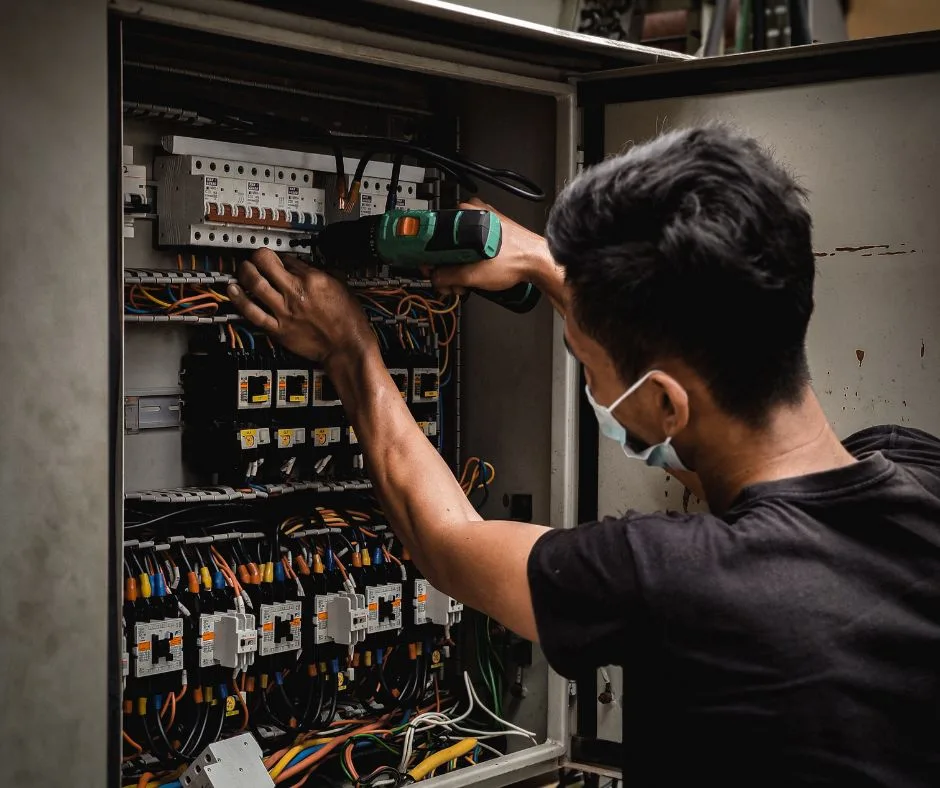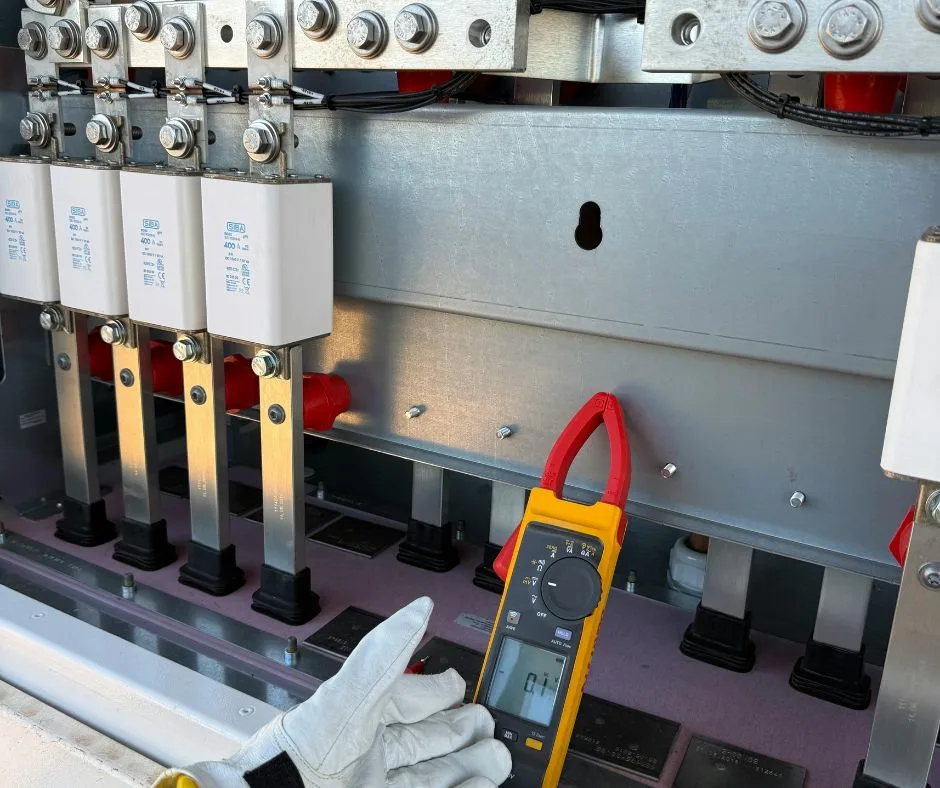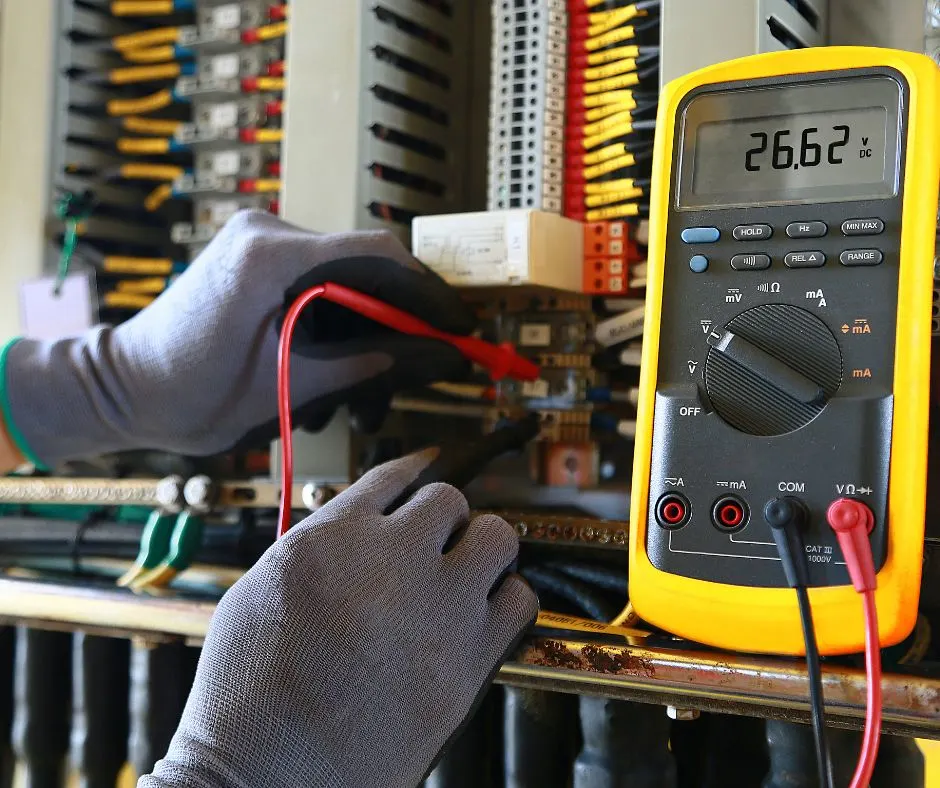
If you manage an industrial facility, you know that safety is always the number one priority—especially when it comes to electrical systems. Electrical safety isn’t just about compliance; it’s about protecting your employees from serious injuries and keeping your operations running smoothly. Unfortunately, electrical hazards like arc flashes, shocks, and fires can happen in any facility if safety measures aren’t properly implemented.
In this post, we’ll go over the top electrical safety measures that every industrial facility should have in place. Whether you’re dealing with high-voltage equipment, switchgear, or complex control systems, these tips will help keep your team safe and your business compliant.
Regular Electrical Inspections and Maintenance
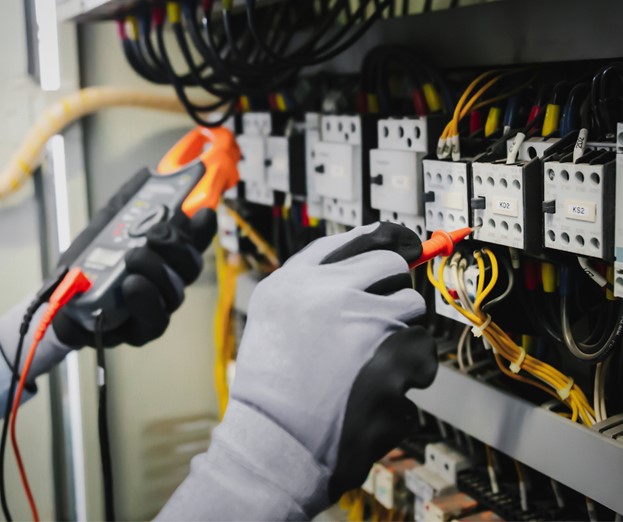
One of the most important things you can do to ensure electrical safety is scheduling regular inspections and maintenance. Electrical systems can wear down over time, leading to issues like loose connections, corrosion, or faulty wiring. If left unchecked, these problems can cause electrical failures, fires, or arc flashes.
Scheduling preventive maintenance, including infrared electrical inspections and thermographic scanning, helps identify potential problems before they lead to costly failures. Thermal imaging can detect heat buildup, which often signals an electrical issue that needs attention.
Conduct an Arc Flash Risk Assessment
If you’re working with or near live electrical equipment, arc flash risk is something you can’t ignore. An arc flash releases intense heat and energy that can cause serious injuries or even fatalities. That’s why conducting an arc flash assessment is crucial for any industrial facility.
An arc flash risk assessment determines the level of risk present and provides you with information on how to protect workers. It helps identify areas that need improvement, such as installing proper labels, adjusting work practices, or upgrading safety equipment.
Ensure Proper Labeling on Electrical Panels
When it comes to electrical safety, labeling isn’t just helpful—it’s required. Clear, accurate labels on electrical panels and equipment help workers understand the risks and required precautions before they begin working. Labels should include information about arc flash boundaries, voltage levels, and necessary personal protective equipment (PPE).
This is especially important for preventing arc flashes, as improper labeling can leave workers unaware of the potential dangers they face. NFPA 70e requires that all electrical equipment be clearly labeled with this critical information.
Train Workers on NFPA 70e Standards
Speaking of NFPA 70e, training your employees on these standards is another essential step toward ensuring electrical safety. NFPA 70e training teaches workers how to safely work with and around electrical equipment, how to select the proper PPE, and how to recognize and mitigate potential hazards.
By providing regular training, you’re equipping your team with the knowledge they need to prevent accidents and respond appropriately if a dangerous situation arises. Make sure you’re updating training regularly, especially when there are changes to equipment or safety protocols.
Implement Lockout/Tagout (LOTO) Procedures
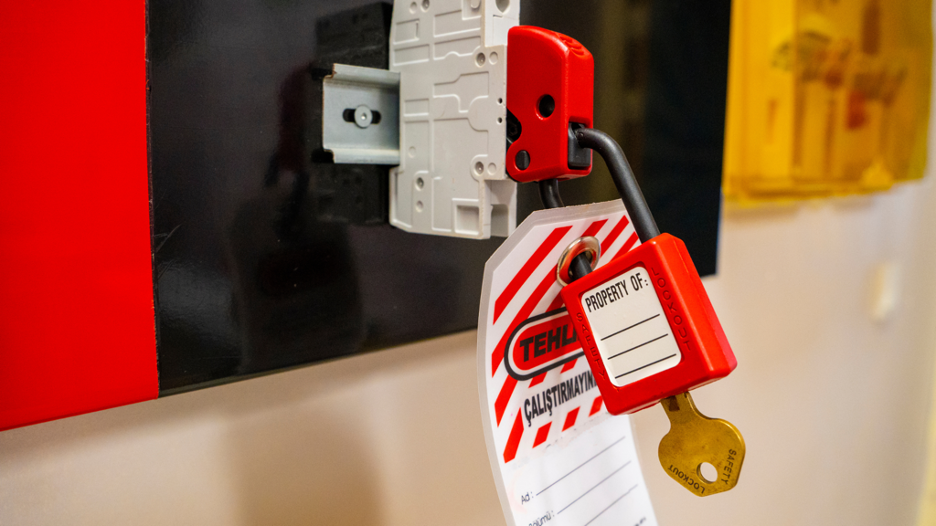
Accidents can happen when equipment is accidentally powered on during maintenance or repair work. That’s where lockout/tagout (LOTO) procedures come in. LOTO ensures that electrical equipment is properly de-energized and locked out before any work begins, preventing accidental electrocution or arc flashes.
Every industrial facility should have strict LOTO procedures in place, and workers need to be trained on how to follow these protocols to avoid dangerous situations.
Use Proper Personal Protective Equipment (PPE)
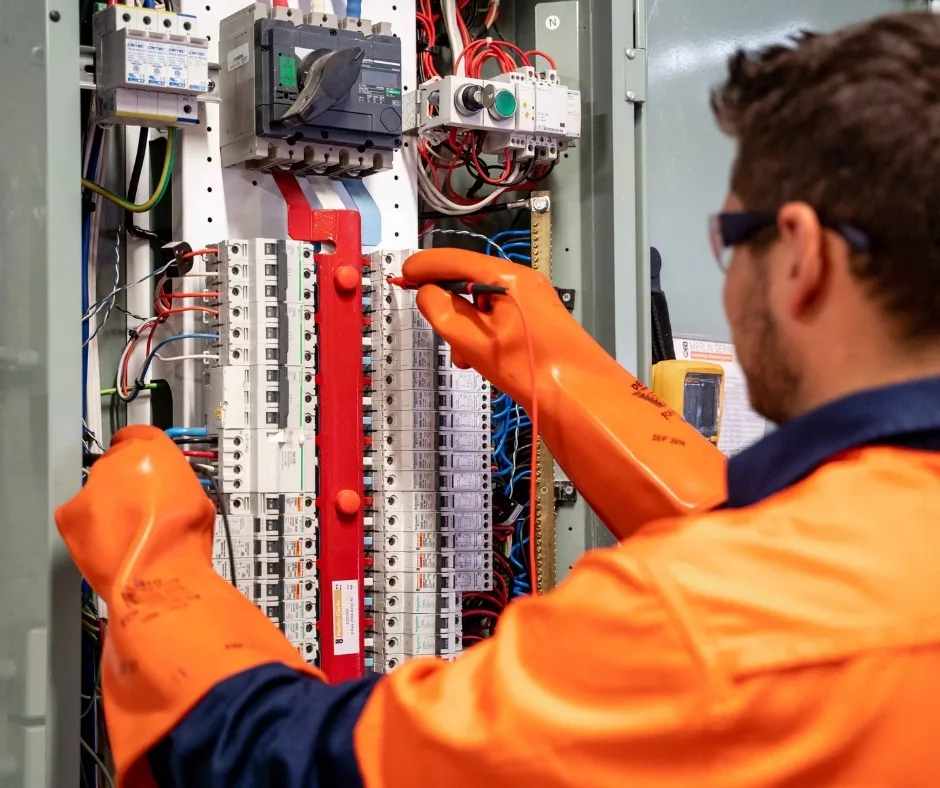
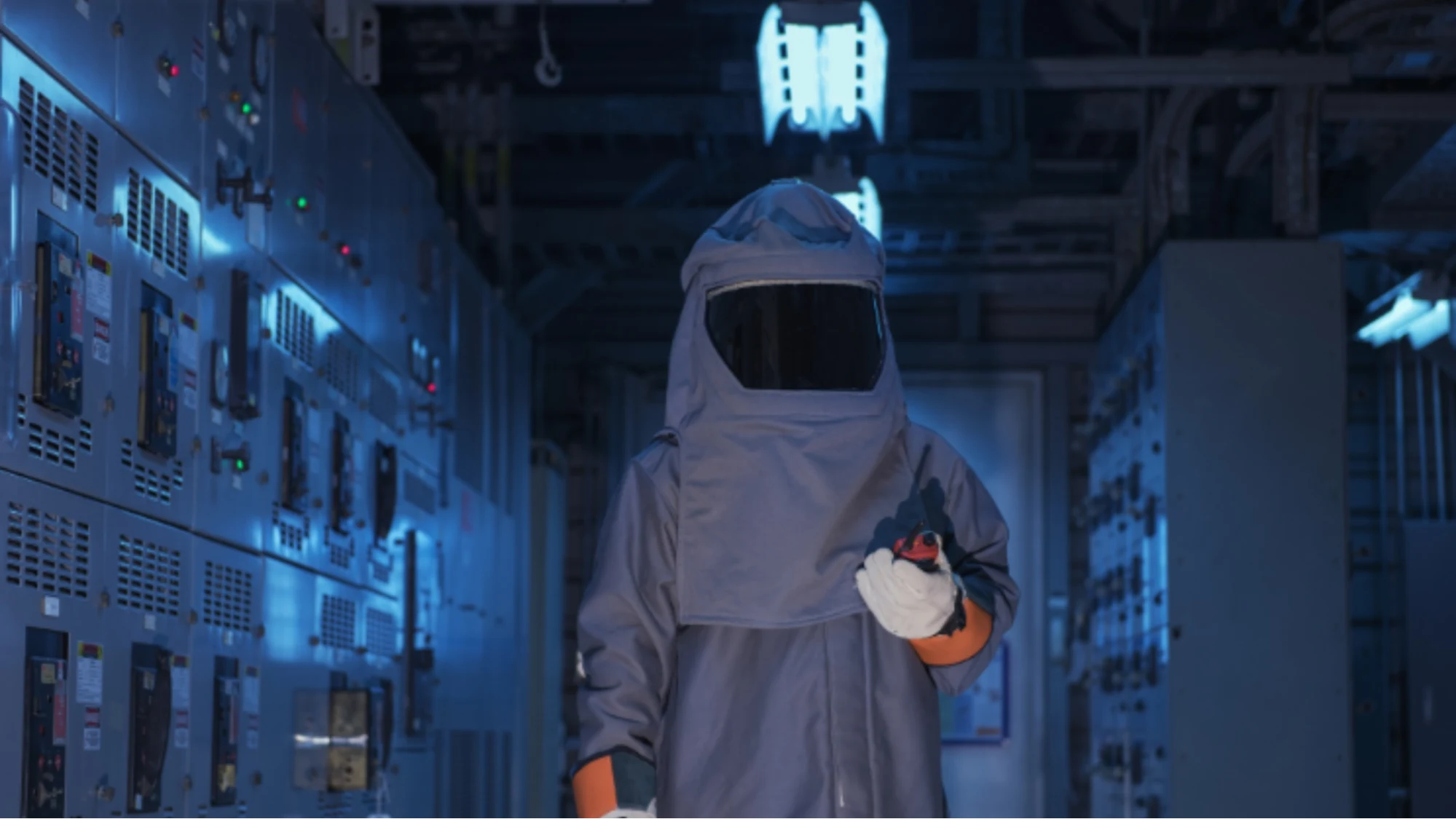
In any environment where workers are exposed to electrical hazards, personal protective equipment (PPE) is a must. The type of PPE required depends on the task and the risk level, but it generally includes items like flame-resistant clothing, insulated gloves, face shields, and safety glasses.
Workers should be trained on how to select the right PPE for the job and when to use it. Having the proper equipment on hand isn’t enough—your team needs to know how to use it correctly to stay safe.
Establish Electrical Safe Work Practices
One of the most effective ways to prevent accidents is by establishing and following safe work practices. This means setting up protocols for how to handle electrical equipment safely, such as de-energizing systems before maintenance, keeping safe distances from live equipment, and following procedures for testing and verifying de-energization.
Creating a culture of safety in your facility means reinforcing these practices regularly and making sure everyone on your team knows the importance of following them.
Schedule Regular Power System Studies
To maintain the safety and efficiency of your electrical system, conducting regular power system studies is crucial. These studies assess the current state of your electrical network, identify potential hazards, and help you optimize system performance.
Power system studies, like short-circuit analysis and load flow studies, provide valuable insights into your electrical system’s reliability and safety. They also help you stay compliant with industry regulations and make informed decisions about upgrades or repairs.
Ensure Proper Grounding and Bonding
Grounding and bonding are fundamental safety measures in any electrical system. Proper grounding ensures that electrical currents have a safe path to the ground in the event of a fault, which helps prevent electric shock or fire.
Inadequate grounding or bonding can lead to dangerous situations, so it’s essential to have a qualified professional assess your facility’s grounding systems to ensure everything is installed and maintained properly.
Establish Emergency Response Plans
Even with the best safety measures in place, accidents can still happen. That’s why it’s essential to have a clear emergency response plan for electrical incidents. Your plan should include procedures for evacuating the area, administering first aid, and notifying emergency services.
Workers should also be trained on how to shut down electrical systems in the event of an emergency. Having a well-prepared response plan can help minimize the damage and keep your team safe in critical situations.
Keep Documentation and Records Up to Date
Keeping thorough records of inspections, maintenance, and safety procedures is an important part of maintaining electrical safety in your facility. These documents not only help you track compliance but also provide valuable insights into potential areas of improvement.
Documentation should include things like arc flash assessments, inspection reports, maintenance logs, and safety audits. Keeping these records up to date ensures that you’re always aware of the current state of your electrical system and can address any issues promptly.
Work with Professional Engineering Consulting Services
Electrical safety is a complex and ever-evolving field, and it’s often best to leave the technical work to the experts. By partnering with an experienced engineering consulting service like Shaw Consulting Services, LLC, you can ensure your facility is following the latest safety standards and best practices.
Consulting services can help you with everything from conducting arc flash assessments to implementing safety protocols. Having a team of professionals on your side means you’re taking a proactive approach to keeping your facility safe and compliant.
Don’t Cut Corners When It Comes to Electrical Safety
Electrical safety isn’t something you can afford to take lightly. Whether it’s regular inspections, proper training, or using the right PPE, every measure you take can help prevent accidents and save lives.
At Shaw Consulting Services, LLC, we’re committed to helping you maintain a safe work environment. From conducting arc flash assessments to offering NFPA 70e training, our team is here to help you implement the safety measures that matter most.
Other Recent Articles