
Thermographic Scanning vs Visual Inspections: Which One Prevents Failures Better?
When it comes to keeping your facility’s electrical systems safe and operational, you’ve probably heard that regular inspections are essential. But here’s where things get interesting: there’s been an ongoing debate about whether thermographic scanning can replace traditional visual inspections, or if visual checks are enough on their own.
The truth? You need both, and here’s why.
Understanding the Two Approaches
Think of visual inspections and thermographic scanning as two different tools in your electrical safety toolbox. Each serves a unique purpose, and together, they create a comprehensive predictive maintenance strategy that catches problems before they become expensive emergencies.
Visual inspections are the foundation of electrical maintenance. A trained technician walks through your facility, examining electrical panels, connections, conductors, and equipment for visible signs of trouble, things like discoloration, corrosion, loose connections, physical damage, or wear and tear. It’s hands-on, detail-oriented work that’s been the industry standard for decades.
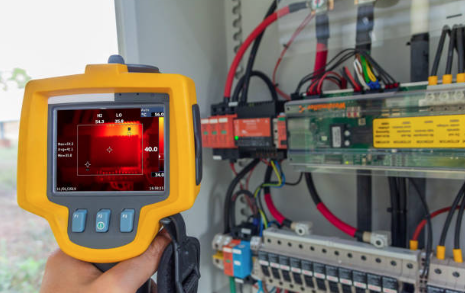
Thermographic scanning, also called infrared thermography, takes a completely different approach. Using specialized thermal imaging cameras, technicians can detect heat patterns that indicate electrical problems developing inside your equipment, often long before any visible signs appear. It’s like giving your electrical systems an X-ray that reveals hidden issues based on temperature anomalies.
What Visual Inspections Do Best
Visual inspections excel at catching obvious problems and verifying the physical condition of your electrical infrastructure. During a thorough visual inspection, technicians can identify:
- Loose or improperly torqued connections that might cause arcing
- Signs of previous overheating events, like melted insulation or discolored components
- Corrosion on terminals and bus bars
- Physical damage to enclosures, conduits, or equipment
- Improper installations or code violations
- Missing or damaged labels and warnings
- Evidence of moisture intrusion or environmental contamination
These inspections also verify that safety equipment, like PPE requirements posted on panels, working space clearances, and proper grounding, meets NFPA 70E and OSHA standards. You can’t get that level of compliance verification from a thermal scan alone.
The limitation? Visual inspections can only see what’s on the surface. If a connection is overheating inside an enclosed panel or a component is failing internally, a visual check won’t catch it until the problem becomes serious enough to show external symptoms.
The Power of Thermographic Scanning
This is where infrared thermography becomes invaluable. Electrical problems almost always generate excess heat before they fail. Thermographic scanning detects these temperature anomalies, giving you a warning of issues like:
- High-resistance connections that are heating up but look fine externally
- Unbalanced loads cause one phase to run hotter than the others
- Failing circuit breakers or contactors that are heating abnormally
- Overloaded conductors that haven’t yet caused visible damage
- Deteriorating insulation that’s creating hot spots
- Capacitor banks are showing signs of impending failure
The real advantage? Thermographic scanning is non-invasive and can often be performed on energized equipment, meaning you don’t need to schedule costly downtime to check your systems. A skilled thermographer can scan hundreds of connection points in the time it would take to visually inspect a fraction of them.
However, thermal imaging isn’t a magic solution. It requires proper interpretation; not every hot spot indicates a problem, and environmental factors can affect readings. Plus, you can’t use it to verify physical conditions, check for code compliance, or identify non-thermal issues like loose mounting hardware or damaged enclosures.
Why the Combination Creates a Complete Strategy
Here’s where predictive maintenance gets really effective: when you combine both methods, you create overlapping layers of protection that catch virtually every type of developing electrical problem.
Let’s say you’re conducting routine maintenance on your facility’s electrical distribution system. A visual inspection might reveal discoloration around a breaker connection, a sign that something’s been getting hot. But is it still a problem, or was it a historical issue that’s already been resolved? Thermographic scanning gives you the answer immediately by showing whether that connection is currently running hot.
Conversely, your thermographer might identify a hot spot on a main bus connection during a scan. The thermal reading tells you there’s a problem, but a follow-up visual inspection determines the root cause, maybe it’s a loose connection that needs retorquing, or corrosion that requires cleaning and treatment. The thermal scan found the problem; the visual inspection identifies exactly what needs to be fixed.
This combination approach is particularly valuable in facilities with:
- Critical operations that can’t afford unexpected downtime
- Aging electrical infrastructure, where problems develop gradually
- High-value equipment where failure would be catastrophically expensive
- Complex systems with hundreds or thousands of connection points
- Regulatory requirements for comprehensive safety programs
Building Your Inspection Schedule
For most commercial and industrial facilities, the sweet spot is annual thermographic scanning combined with visual inspections performed during scheduled maintenance outages or as part of your regular safety program. High-criticality equipment might warrant more frequent thermal scans, quarterly or even monthly, for mission-critical systems.
The key is consistency. Thermographic scanning becomes even more valuable when you build a baseline and track changes over time. That connection that’s running 15 degrees warmer than its neighbors might not be critical today, but if it’s 20 degrees warmer during the next scan, you know it’s deteriorating and needs attention before it fails.
Practical Implementation Tips
When implementing both inspection methods, coordinate them strategically. Schedule thermographic scanning when equipment is under normal operating loads; that’s when problems show up most clearly. Visual inspections work well during planned maintenance windows when panels are already open, and equipment is de-energized for other work.
Document everything. Modern thermal imaging cameras capture both thermal and digital images simultaneously, making it easy to match hot spots with specific equipment locations. Combined with detailed visual inspection reports, you’ll build a comprehensive maintenance history that helps predict future issues and justify equipment upgrades when necessary.
Don’t forget about training. While thermographic scanning requires specialized certification and expertise, your maintenance team should understand how to interpret basic thermal reports and recognize visible warning signs during routine rounds. This creates a culture of electrical safety awareness throughout your facility.
Frequently Asked Questions
How often should we perform thermographic scanning on our electrical systems?
Most facilities benefit from annual thermographic scanning, with more frequent scans (quarterly or monthly) for critical equipment. The frequency depends on your equipment age, operating environment, load criticality, and regulatory requirements. After establishing a baseline, your thermographer can recommend an optimal schedule based on what they find.
Can thermographic scanning be performed while the equipment is energized?
Yes, and that’s one of its major advantages. Infrared thermography is typically performed on energized equipment under normal load conditions, which is when electrical problems are most likely to show up as heat. However, it must be performed by qualified technicians following proper electrical safety protocols and wearing appropriate PPE.
What temperature difference indicates a problem during thermographic scanning?
There’s no single answer; it depends on the equipment, load, and environmental conditions. Generally, a temperature rise of 15-20°F above ambient or compared to similar components warrants investigation. However, experienced thermographers use temperature differentials, patterns, and trends over time to assess severity rather than relying on absolute numbers.
Will a visual inspection find everything that thermographic scanning can detect?
No. Many electrical problems generate excess heat long before showing visible symptoms. Thermographic scanning detects these developing issues months or even years before they’d be visible to the naked eye, giving you time to schedule repairs during planned maintenance rather than dealing with emergency failures.
Do we need to shut down equipment for visual inspections?
It depends on the type of inspection. Basic visual checks can often be performed with the equipment energized. Still, detailed inspections that require opening panels, checking connections, or measuring torque values typically require lockout/tagout procedures and de-energized equipment for safety reasons.
Partner with Experts Who Understand Both Approaches
Creating an effective electrical safety program requires more than just scheduling inspections; it requires expertise in both thermographic scanning and comprehensive visual assessment, along with the experience to interpret findings and recommend appropriate corrective actions.
Shaw Consulting Services brings over two decades of experience helping Atlanta-area facilities develop and implement comprehensive electrical safety and predictive maintenance programs. Our certified thermographers and licensed electrical engineers work together to provide both infrared thermography and detailed visual inspections, giving you a complete picture of your electrical system’s health.
Whether you need baseline thermographic scanning, routine inspections, or help developing a comprehensive electrical safety program that meets NFPA 70E and OSHA requirements, our team delivers the expertise and responsiveness that facility managers depend on.
Ready to implement a complete electrical inspection strategy? Contact Shaw Consulting Services today to schedule your facility assessment and discover how combining thermographic scanning with visual inspections protects your operations, prevents costly failures, and keeps your team safe.