Thermographic Scanning Services That Catch Problems Before They Become Failures
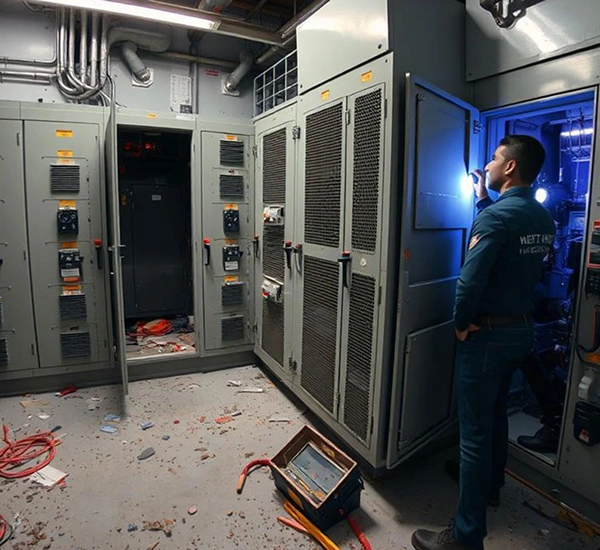
Thermographic scanning gives you X-ray vision for your electrical system. Using infrared technology, we identify hot spots, imbalanced loads, and deteriorating components before they cause outages, fires, or equipment damage. For facility managers and safety directors across the Atlanta area, it’s predictive maintenance that actually predicts.
At Shaw Consulting Services, we conduct comprehensive infrared inspections that give you clear documentation of electrical system health and actionable priorities for maintenance interventions.
What Is Thermographic Scanning?
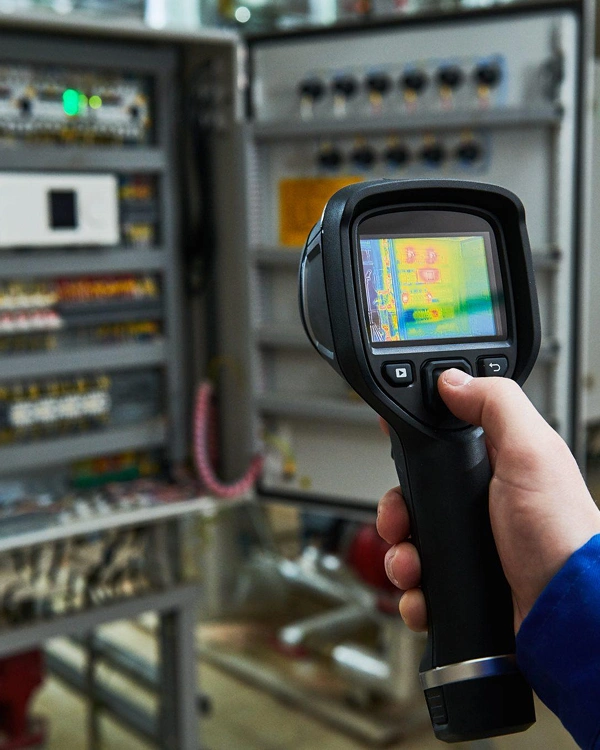
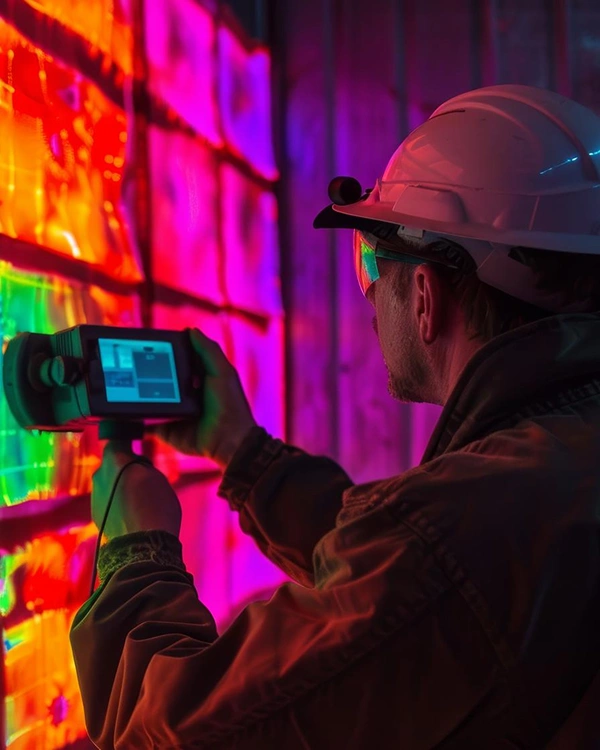
Thermographic scanning, also known as infrared thermography or thermal imaging, is a technology that captures and visualizes the infrared radiation (heat) emitted by electrical equipment. All objects above absolute zero emit infrared radiation invisible to the human eye, but our specialized infrared cameras detect these heat signatures to track down problems before they become larger issues.
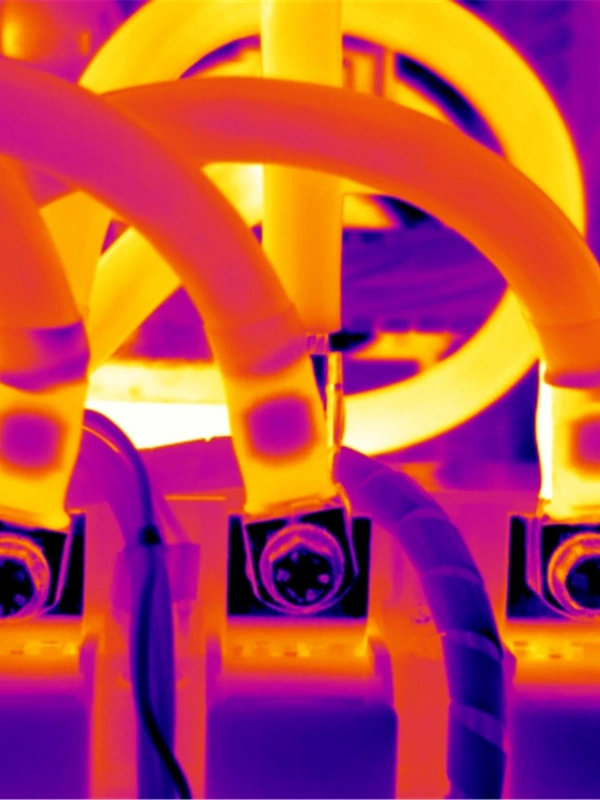
The process involves scanning your electrical system for temperature variations that indicate equipment starting to break down or fail. A properly functioning breaker might operate at ambient temperature plus 10-15 degrees. That same breaker with a loose connection could be running 50, 75, or even 100+ degrees hotter long before you see discoloration or smell burning insulation.
The beauty of infrared thermal imaging is that it’s completely non-invasive. We perform inspections while your systems are energized and under normal load, meaning no downtime and no disruption to operations.
How Infrared Scanning Prevents Electrical Failures
Here’s what typically happens without thermographic scanning: a connection gradually loosens due to thermal cycling and vibration. Increased resistance creates more heat. More heat accelerates oxidation and further increases resistance. The cycle continues until something fails, often catastrophically.
Infrared scanning breaks this cycle by catching issues during the early stages when a simple maintenance intervention prevents major problems. We identify that loose connection when it’s 40 degrees above normal instead of waiting until it’s arcing and causing equipment failure.
The financial case is straightforward. Emergency repairs cost 3-5 times more than planned maintenance. Unplanned downtime in manufacturing or critical facilities can run thousands per hour. Equipment replacement due to heat damage far exceeds the cost of tightening a connection or replacing a worn component during scheduled maintenance.
Insurance carriers recognize this value, too. Many offer premium reductions for facilities conducting regular thermographic inspections, and some policies require documented infrared scanning for coverage on high-value equipment.
Common Issues Identified Through Thermal Imaging
Our thermographic scans routinely identify loose or corroded connections showing elevated temperatures at terminals and splices, overloaded circuits with conductors running significantly hotter than rating, imbalanced three-phase loads causing one phase to carry excessive current, and failing breakers or contactors with internal resistance problems.
We also catch issues like deteriorating insulation before it leads to shorts, undersized conductors that weren’t adequate for the actual load, poor contact in fuses and disconnects, and harmonic heating in transformers and neutral conductors.
Each of these issues has a thermal signature. Our experience interpreting infrared images lets us distinguish between concerning anomalies requiring immediate attention and minor variations within acceptable parameters.
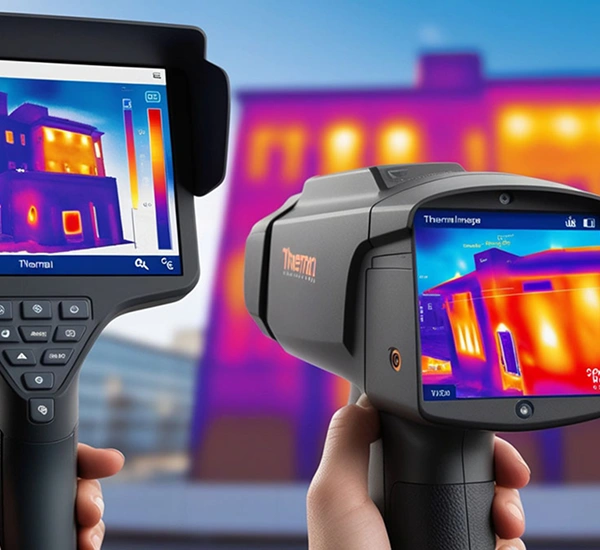
Our Thermographic Scanning Methodology
We follow NFPA 70B recommendations and insurance industry best practices for comprehensive electrical system surveys:

Pre-Scan Planning
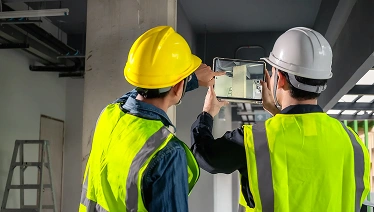
On-Site Inspection
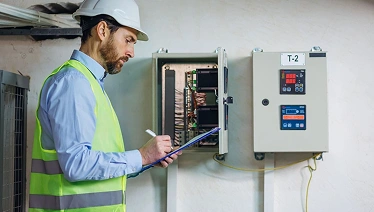
Analysis & Interpretation
Analysis & Interpretation

Reporting & Recommendations
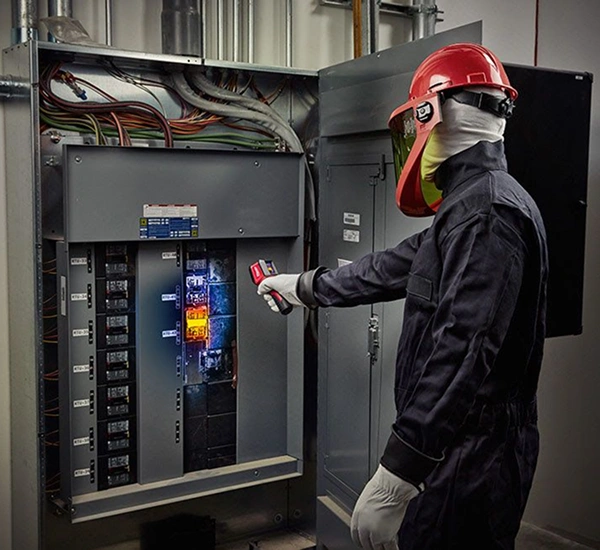
What’s Included in a Thermographic Scan Report
Your completed report includes comprehensive thermal imaging documentation for all inspected equipment, severity ratings for identified anomalies (typically critical, major, minor classifications), specific location and circuit identification for each finding, and recommended corrective actions with suggested timing.
We also provide trend analysis if you’ve had previous scans, showing whether conditions are improving, stable, or deteriorating. This longitudinal view helps you understand whether your maintenance program is effectively addressing issues.
You’ll receive the report in digital format with full-resolution thermal images suitable for insurance documentation or engineering review.
Ideal Use Cases for Thermographic Scanning
Routine Preventive Maintenance programs should include annual or semi-annual infrared inspections. This frequency catches developing problems while they’re still minor issues and demonstrates due diligence for safety and reliability programs.
Insurance Requirements often mandate infrared scanning for policy compliance, especially for high-value facilities or equipment. Our NFPA-compliant methodology and documentation meet carrier requirements.
Pre-Purchase Audits for facility acquisitions reveal deferred maintenance and hidden electrical issues before you close the deal. It’s due diligence that prevents expensive surprises.
Post-Modification Verification after electrical work confirms installations are performing properly, with no hot spots from improper terminations or sizing errors.
Critical System Monitoring for facilities that can’t afford unplanned outages, such as hospitals, data centers, and manufacturing, benefits from more frequent scanning of mission-critical distribution equipment.
Standards & Best Practices
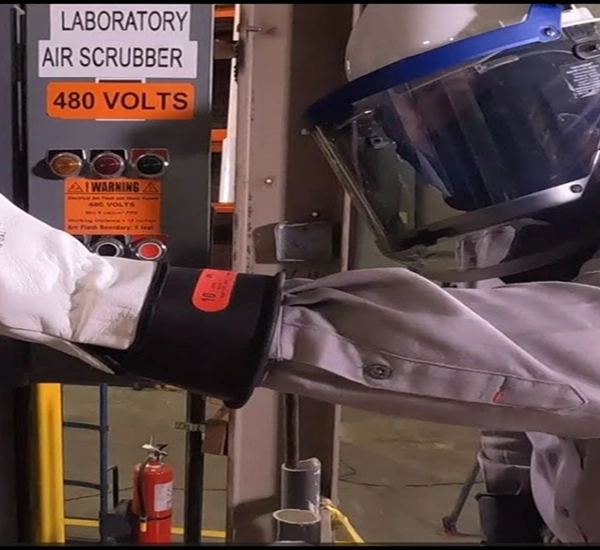
NFPA 70B (Recommended Practice for Electrical Equipment Maintenance) recommends annual infrared inspections for electrical distribution systems. NFPA 70E references thermographic scanning as a diagnostic tool that can reduce arc flash hazards by identifying deteriorating equipment before failure.
Many insurance carriers follow guidelines from FM Global and similar organizations recommending regular infrared scanning as loss prevention. Some policies specifically require annual scans with coverage documentation.
Our methodology aligns with these standards, ensuring your inspections meet regulatory expectations and insurance requirements.
FAQ’s
What operating conditions do you need for scanning?
How often should we schedule thermographic scanning?
Is thermographic scanning safe?
Can you scan everything in one visit?

Why Choose Shaw Consulting Services
We don’t just take pictures, we provide experienced interpretation and actionable recommendations. Our team understands electrical systems and maintenance priorities, so you get practical guidance, not just raw data.
As an Atlanta-based firm, we’re familiar with the operational realities facilities in our area face, from coordinating access in occupied buildings to understanding the maintenance challenges of aging infrastructure.
Ready to see what’s heating up in your electrical system?
Book your thermographic scan with Shaw Consulting Services today. Contact us to schedule your inspection and get proactive about electrical system reliability.