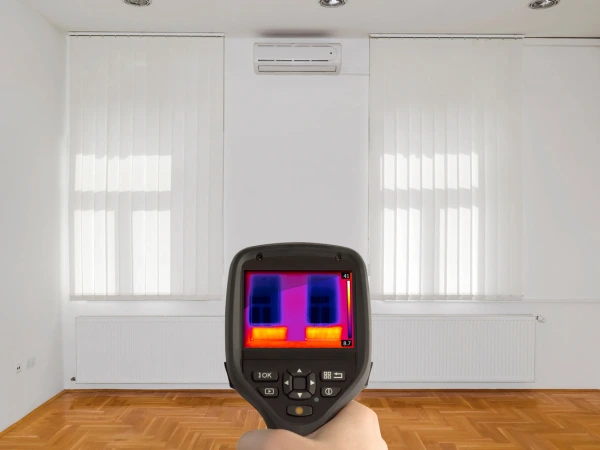
Infrared thermography is one of those tools that gets more powerful the smarter you are about when you use it. The technology itself, a thermal camera that reads heat signatures through surfaces without contact, is well understood. The part that most facilities get wrong is timing.
Schedule an infrared electrical inspection at the wrong time of year, under the wrong load conditions, and you will get a clean report that misses real problems. Schedule it strategically, aligned with your seasonal load cycles and operational patterns, and you get a genuinely predictive maintenance tool that earns its cost many times over.
Here is what you need to know to use infrared thermography the way it was meant to be used.
1. Why Timing Is Not Optional in Thermal Inspections
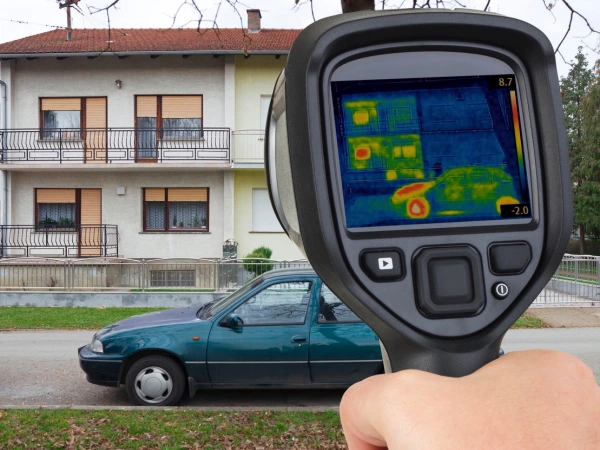
Infrared thermography works by detecting temperature differentials. A loose connection, an overloaded circuit, a failing component: each one generates excess heat that shows up as a hot spot against the thermal baseline of healthy equipment. But that heat signature only shows up when the equipment is carrying a load.
A panel running at 20 percent of its rated capacity during an off-season inspection may look perfectly healthy. That same panel at 85 percent capacity during peak demand may tell a completely different story. Components that are marginal under light load can deteriorate rapidly under the thermal stress of seasonal peak demand, often in ways that are invisible until they fail.
This is why a thermographic inspection scheduled for convenience rather than for operational timing can produce a false sense of security. The scan was done. The report came back clean. And then the panel fails in August when the cooling load peaks.
2. The Seasonal Load Calendar: When to Scan and Why
Late Spring: Before Cooling Season Begins (April to May)
For facilities in the Southeast, including commercial buildings across metro Atlanta, late spring is one of the highest-value windows for infrared electrical inspection. Why? Because you are about to enter the year’s heaviest cooling-load period. HVAC equipment, motor control centers, distribution panels, and rooftop unit feeds will run harder and longer from June through September than at any other time.
A thermal scan in late April or early May lets you find marginal connections, undersized conductors, and heat buildup in panel enclosures before they face sustained stress. Repairs made in May cost a fraction of emergency service calls in July, and they prevent the unplanned downtime that inevitably arrives at the worst possible moment.
Early Fall: Post-Peak Load Assessment (September to October)
After a summer of heavy loading, electrical components that were borderline in spring may now show more pronounced heat signatures. Early fall, when cooling loads are tapering, but equipment is still running, is an excellent second scan window. This timing catches components that degraded over the summer but have not yet failed, giving you a planned maintenance window rather than an emergency.
For manufacturing facilities with seasonal production cycles, fall scans also align well with pre-shutdown planning. Identifying thermal anomalies before a scheduled maintenance shutdown means the right parts and contractors are ready.
Late Fall to Early Winter: Pre-Heating Season Check (November)
Electric heating loads, heat trace systems, and the additional demand placed on service entrances and main switchgear during cold weather make late fall another strategic scan window. In facilities where load profiles shift significantly between cooling and heating seasons, a fall inspection captures the transition period and confirms equipment is ready for winter loading.
Mid-Production or Peak Business Hours
Season matters, but so does time of day. Infrared thermography should always be conducted when equipment is carrying close to its normal operating load, ideally 40 percent of capacity or higher. For manufacturing facilities, that means during an active production run. For commercial buildings, mid-morning on a weekday during a hot weather period. Scheduling scans for early morning or overnight to avoid disruption defeats the purpose.
Related reading: What to Expect During an Infrared Electrical Inspection: Process, Tools, and Reporting
3. What Infrared Thermography Finds by Season
Summer Load Anomalies
Loose or corroded connections in panel boards, switchgear, and bus bars. Overloaded conductors in air handler feeds and motor control centers. Failing capacitors in HVAC compressor circuits. These show up most clearly under summer loads and are the primary targets of spring pre-season scans.
Heating Season Issues
Resistance heating elements with partial failures. Heat trace circuits with damaged wiring. Load imbalances in three-phase systems worsen under heating demand. These appear most clearly in late fall inspections.
Year-Round Targets
Some anomalies are detectable in any season when equipment is under load. Transformer hot spots. Mechanical connections degraded by thermal cycling. Breakers that have tripped and been reset repeatedly, leaving internal damage that shows as heat. These are worth scanning regardless of season, but findings are sharpest when load levels are highest.
4. NFPA 70B and the Case for Annual Thermographic Programs
NFPA 70B, the Recommended Practice for Electrical Equipment Maintenance, recommends thermographic inspections as a standard component of electrical preventive maintenance programs. Many insurance carriers and risk management frameworks echo this recommendation, with some requiring documented annual infrared inspections for property risk compliance.
A single scan is better than nothing. A twice-yearly scan program, aligned with pre-cooling and pre-heating season windows, is a genuinely predictive program. It establishes thermal baselines, tracks changes over time, and gives maintenance teams actionable data before failures occur rather than after.
Related reading: Thermographic Scanning vs. Visual Inspections: Why You Need Both for Electrical Safety
5. Critical Systems That Benefit Most from Seasonal Timing
Main Service Entrances and Switchgear
These components serve the entire facility. A thermal anomaly here affects everything downstream. Scanning before peak season ensures the most critical single point in your electrical infrastructure is confirmed healthy before it faces maximum stress.
Motor Control Centers and Variable Frequency Drives
Motors and VFDs generate substantial heat under load. Marginal connections in motor control centers often only show up under operating load. Pre-season scans catch failing contactors, loose terminal connections, and cooling problems before they take equipment offline.
Rooftop HVAC Equipment Electrical Panels
Rooftop equipment is exposed to temperature extremes that accelerate connection degradation. A pre-summer scan of rooftop unit electrical feeds is one of the higher-value, lower-cost thermal inspection tasks available to facility managers.
Data Center and Server Room Power Distribution
For data center environments, load profiles do not vary seasonally the way they do in commercial or manufacturing facilities. But thermal scans still benefit from being conducted during peak rack utilization periods, and should be included in any comprehensive preventive maintenance schedule.
Related reading: Essential Electrical Safety Tips Every Facility Manager Should Know
Shaw Consulting and Infrared Thermography Services
Shaw Consulting Services provides infrared thermography and infrared electrical inspection services for commercial, industrial, and institutional facilities across Atlanta and throughout the Southeast. Their inspection programs are designed around your facility’s actual load profile and seasonal operating patterns, not a generic calendar.
Shaw’s reports include thermal images, temperature differentials, severity classifications, and specific corrective action recommendations, giving your maintenance team and contractors exactly what they need to address findings efficiently.
If your last infrared inspection was more than 12 months ago, or if it was conducted under light-load conditions, reach out to Shaw Consulting to schedule a strategically timed scan before your next peak season.
Peak season does not wait. Contact Shaw Consulting today to schedule your seasonal infrared thermography inspection and get ahead of the failures before they find you.
Frequently Asked Questions
When is the best time of year to schedule an infrared thermography inspection?
Late spring, before cooling season, and early fall, after peak summer load, are the two highest-value windows for most facilities. The goal is to scan when the equipment is carrying near-normal operating load so thermal anomalies are clearly visible.
Does load level really affect what infrared thermography can detect?
Yes, significantly. Thermal anomalies caused by loose connections, overloaded conductors, or failing components require a load to produce detectable heat differentials. A scan conducted at low load levels may miss problems that would be clearly visible under normal operating conditions.
How often should infrared electrical inspections be conducted?
NFPA 70B recommends thermographic inspection as part of a routine electrical maintenance program. Many facilities benefit from twice-yearly inspections aligned with seasonal load shifts. At a minimum, annual inspections under appropriate load conditions provide meaningful preventive data.
Can infrared thermography detect problems inside closed electrical panels?
Yes. Thermal cameras detect heat radiating through panel enclosures without opening them. Internal hot spots from loose connections, failing breakers, or overloaded conductors are detectable through the panel surface, making it possible to identify problems under energized conditions without direct exposure.
Is infrared thermography required for NFPA 70E compliance?
NFPA 70E does not specifically mandate thermographic inspections, but it does require employers to assess electrical hazards and implement appropriate maintenance programs. Infrared thermography is widely recognized as a best-practice tool supporting that obligation and is often referenced in insurance and risk management frameworks.