
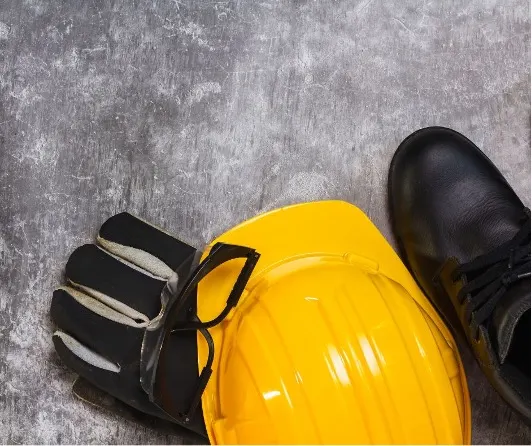
You’ve got a facility to run, teams depending on you to keep things safe, and let’s be honest, the stakes couldn’t be higher when it comes to electrical work. Every time one of your electricians opens a panel or works near energized equipment, you’re thinking about what could go wrong. Arc flash incidents. Burns. Injuries that change lives.
That’s where electrical personal protective equipment (PPE) comes in.
If you’re responsible for electrical safety at a commercial or industrial facility around Atlanta, you already know that choosing the right gear isn’t just about checking a box for compliance. It’s about making sure your people go home safe every single day. In this guide, we’ll walk through everything you need to know about electrical safety personal protective equipment, from understanding arc flash risks to selecting the right gear, maintaining it properly, and staying compliant with NFPA 70E standards. By the time you finish reading, you’ll have a clear roadmap for protecting your team from electrical hazards.
Why Electrical PPE Matters More Than You Think
Here’s the thing about electrical work: the hazards aren’t always obvious until it’s too late.
An arc flash can reach temperatures of 35,000°F, which is four times hotter than the sun’s surface. Without proper PPE for electrical safety, workers face catastrophic burns, hearing damage, and worse. We’ve seen facilities that thought their safety program was solid, only to realize during an Arc Flash Assessment that their workers were wearing the wrong gear for the hazard levels they faced daily.
The reality? Electrical hazard protection isn’t one-size-fits-all. The PPE that works for low-voltage maintenance won’t cut it when you’re dealing with high-energy equipment. That’s why understanding what your team actually needs starts with knowing your risks.
Start With an Arc Flash Assessment
Before you even think about buying PPE, you need to know what you’re protecting against.
An Arc Flash Assessment gives you the data you need to calculate incident energy levels at different points in your electrical system and determine the appropriate arc flash PPE categories for each location. At Shaw Consulting Services, we see this mistake all the time: companies buying expensive gear without understanding their actual hazard levels. You might be over-protecting in some areas (wasting money) and under-protecting in others (risking lives).
The assessment provides arc flash labels for your equipment that show the hazard risk category, required PPE, and safe working distances. These labels become your roadmap for what gear your workers need in different situations.
Understanding NFPA 70E and PPE Categories
Let’s talk about NFPA 70E Training and why it’s the foundation of electrical worker safety gear selection.
NFPA 70E establishes the electrical safety standards that help you choose appropriate PPE. The standard categorizes protection based on incident energy levels, ranging from everyday work clothes (for de-energized work) to Category 4 protection for high-risk tasks.
Here’s the breakdown:
Category 1: Basic arc-rated clothing (4 cal/cm²). Think arc-rated shirts and pants for lower-risk tasks.
Category 2: Higher protection level (8 cal/cm²). Adds an arc-rated face shield or arc flash suit hood.
Category 3: More robust protection (25 cal/cm²). Requires arc-rated clothing, including a flash suit jacket and pants, and full-face protection.
Category 4: Maximum protection (40 cal/cm²). Full arc flash suit with hood, face shield, and heavy-duty gloves.
Your team requires NFPA 70E certification training to understand these categories and know when to wear the appropriate PPE. This isn’t the kind of thing you figure out on the fly.
The Essential Types of Electrical PPE
Now let’s get into the actual gear. Here’s what makes up a complete electrical safety personal protective equipment kit:
Arc Flash Suits and Clothing
Arc-rated clothing is your first line of defense outside of shutdowns. Unlike regular work clothes that can ignite and continue burning, arc-rated fabric self-extinguishes when the arc ends. You’ll need shirts, pants, and coveralls with appropriate arc ratings based on your hazard analysis. Some facilities around the metro area keep multiple levels on hand depending on the work being performed.
Insulated Gloves and Leather Protectors
Rubber insulating gloves protect against shock hazards, rated by voltage class (from Class 00 up to Class 4). But here’s what catches people off guard: you can’t just wear the rubber gloves alone. They need leather protector gloves over them to prevent cuts and punctures. Both need regular testing every six months for daily use, annually for occasional use.
Face Shields and Arc-Rated Hoods
Your face and head need protection from both the thermal energy and the bright flash itself. Arc-rated face shields provide a barrier, while arc flash suit hoods offer more complete coverage for higher-risk work. Many newer hoods include built-in face shields and hard hat attachments.
Safety Glasses and Hearing Protection
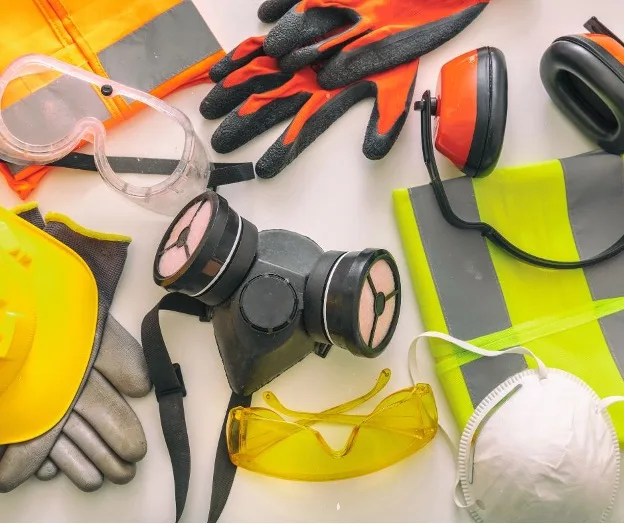
Even with a face shield, you need safety glasses underneath; the blast can come from unexpected angles. And don’t forget hearing protection. Arc flash events create noise levels that can cause immediate hearing damage.
Arc-Rated Hard Hats and Footwear
Standard hard hats might not provide adequate protection during arc flash incidents. Look for arc-rated options. The same goes for footwear; leather boots with electrical hazard ratings protect against both shock and arc flash.
How to Choose the Right PPE for Your Team
Okay, so how do you actually select the right gear? Follow this process:
- Review Your Arc Flash Study Results
Your Arc Flash Assessment tells you the incident energy levels at different equipment locations. This drives everything else. If you haven’t had one done (or it’s been more than five years), that’s your starting point. Shaw Consulting Services can help with comprehensive assessments that meet current NFPA 70E standards.
- Match PPE to Hazard Risk Categories
Look at the labels on your equipment. They show the required PPE category for tasks performed on that equipment while energized. Match your gear selection to those categories.
- Consider Comfort and Fit
Here’s something that doesn’t get enough attention: uncomfortable PPE won’t get worn properly. Workers need gear that fits well and allows them to do their jobs effectively. Consider different body types on your team and stock various sizes.
- Factor in Your Environment
Working in a hot mechanical room in July? (And let’s be real, Atlanta summers are no joke.) You’ll want arc-rated clothing that’s as lightweight and breathable as possible while still meeting protection requirements. Some newer fabrics handle heat better than others.
- Budget for Quality
Cheap PPE is expensive in the long run. Good arc flash PPE represents a significant investment, but it lasts when properly maintained. Budget for replacing gear on schedule, not just when something fails.
PPE Maintenance: Your Gear Only Works When It’s Working
This is where a lot of safety programs fall apart. You can buy the best electrical hazard protection available, but it won’t help if the gear’s not maintained.
Inspection Before Each Use
Workers should inspect PPE before every use. Look for:
- Holes, tears, or fraying in arc-rated clothing
- Contamination or damage to rubber gloves
- Cracks or degradation in face shields
- Wear or damage to hard hats
Any damaged equipment gets pulled from service immediately.
Regular Testing for Insulating Equipment
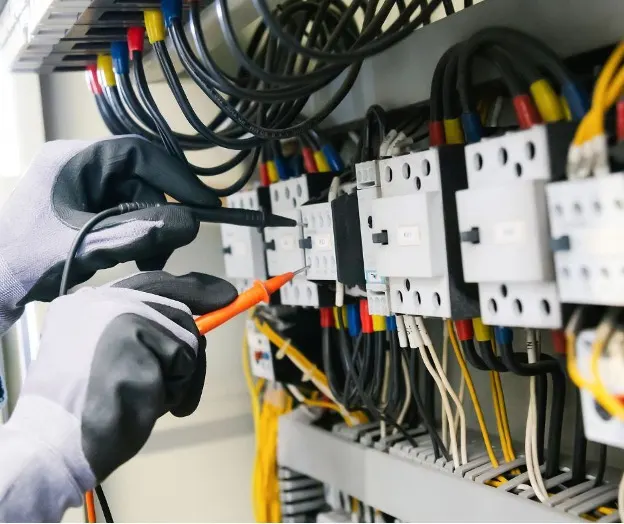
Rubber insulating gloves, sleeves, and blankets need periodic electrical testing. The testing interval depends on usage frequency, but generally every six months for gloves in regular use. Keep detailed records; OSHA will want to see them.
Proper Cleaning and Storage
Arc-rated clothing needs proper laundering to maintain its protective properties. Follow manufacturer instructions exactly. Some detergents or treatments can reduce the arc rating. Store all PPE in clean, dry locations away from direct sunlight and chemicals. Rubber goods especially need proper storage; they can degrade if exposed to ozone, oils, or extreme temperatures.
Retirement and Replacement
Even properly maintained PPE doesn’t last forever. Follow manufacturer guidelines for retirement schedules. Keep purchase dates and inspection records so you know when gear needs replacing.
Training Your Team: Knowledge Is Protection Too
The best PPE for electrical safety doesn’t help if your team doesn’t know how to use it correctly.
NFPA 70E Training teaches workers to:
- Understand electrical hazards and arc flash risks
- Read and interpret arc flash labels
- Select appropriate PPE for the task
- Wear and maintain their gear properly
- Recognize when equipment should be taken out of service
Training isn’t a one-and-done deal. NFPA 70E requires retraining at least every three years, but annual refreshers help keep safety top of mind. New employees need training before they work on or near electrical equipment. Anytime procedures or equipment change, additional training may be needed.
Common Mistakes to Avoid
We’ve seen these trip up even experienced safety managers:
Using Outdated Arc Flash Studies: If your facility has changed, added equipment, modified processes, or just hasn’t updated in years, your hazard analysis is probably wrong. That means your PPE selection might be wrong, too.
Mixing and Matching PPE Systems: Different manufacturers’ components might not work together as expected. Stick with complete systems that have been tested as a unit.
Ignoring the Hierarchy of Controls: PPE is actually your last line of defense. Before you suit up your team in Category 4 gear, ask whether the work can be done de-energized or if engineering controls could reduce the hazard.
Skipping Documentation: You need records of PPE purchases, inspections, testing, training, and incidents. When OSHA comes calling, “we do inspections” won’t cut it if you can’t prove it.
Beyond Compliance: Building a Culture of Safety
Here’s the truth: checking boxes for NFPA 70E certification gets you baseline compliance. But real electrical safety comes from building a culture where everyone takes responsibility.
That means:
- Making it easy for workers to report damaged PPE without fear
- Involving your team in PPE selection so they have buy-in
- Celebrating when people catch safety issues before they become problems
- Leading by example, management wears appropriate PPE too
- Regularly reviewing and updating your program
When your electricians and maintenance techs genuinely understand why the gear matters and feel empowered to speak up about safety concerns, that’s when your program moves from compliance to excellence.
What’s Your Next Step?
If you’re reading this and realizing your electrical safety program needs work, you’re not alone.
Most facilities we work with at Shaw Consulting Services started from the same place: knowing their current approach wasn’t quite right, but unsure where to begin. Maybe your Arc Flash Assessment is outdated. Maybe your team’s wearing PPE that doesn’t match your actual hazards. Maybe you’re just not sure if you’re compliant with current electrical safety standards.
Start with an honest evaluation of where you are. Review when your last Arc Flash Assessment was completed. Check the condition of your current PPE inventory. Talk to your team about what concerns they have.
The investment in proper electrical personal protective equipment and training pays for itself the first time it prevents an injury. And beyond the financial calculation, there’s the knowledge that you’ve done right by the people who depend on you to keep them safe.
Because at the end of the day, that’s what electrical safety is really about: making sure everyone goes home.
Ready to strengthen your electrical safety program? Contact Shaw Consulting Services today to schedule an Arc Flash Assessment or discuss your facility’s PPE needs. Let’s work together to keep your team safe.
Frequently Asked Questions
Q: How often should electrical PPE be replaced?
A: It depends on the type of equipment. Arc-rated clothing should be replaced when it shows wear, damage, or after exposure to an arc flash event. Rubber insulating gloves typically last 2-3 years with proper care and testing. Always follow manufacturer guidelines and retire any PPE that fails inspection or testing, regardless of age.
Q: Can I wash arc-rated clothing in a regular washing machine?
A: Yes, but follow the manufacturer’s instructions carefully. Use mild detergent without bleach or fabric softener, as these can reduce the arc rating. Never use chlorine bleach on arc-rated clothing. The protective properties are built into the fabric, so proper washing won’t remove them, but improper washing can degrade performance.
Q: What’s the difference between flame-resistant and arc-rated clothing?
A: Flame-resistant (FR) clothing resists ignition and self-extinguishes, but arc-rated (AR) clothing has been tested specifically for arc flash protection and carries a cal/cm² rating. All arc-rated clothing is flame-resistant, but not all flame-resistant clothing is arc-rated. For electrical work, you need arc-rated gear that matches your hazard levels.
Q: Do I need an Arc Flash Assessment before buying PPE?
A: Absolutely. Without an assessment, you’re guessing at what protection level you need. You might end up with inadequate protection in high-risk areas or wasting money on excessive protection where it’s not needed. The assessment provides the data-driven foundation for all PPE decisions and helps you comply with NFPA 70E requirements.
Q: How long does NFPA 70E Training certification last?
A: NFPA 70E requires electrical safety training at least every three years. However, additional training is needed when job assignments change, new equipment or processes are introduced, or when the standard is updated. Many safety managers opt for annual refresher training to keep safety practices sharp and ensure ongoing compliance.
Q: What happens if PPE fails during an arc flash incident?
A: Any PPE involved in an arc flash event should be removed from service immediately and evaluated by the manufacturer or a qualified testing laboratory. Even if it looks okay, the protective properties may have been compromised. Never reuse PPE that’s been exposed to an arc flash without professional evaluation. This is exactly why having proper documentation and replacement procedures matters.