If you’re a safety officer or facility manager scheduling your first infrared electrical inspection, you probably have questions. What exactly happens during the inspection? How long does it take? Do you need to shut down operations? What kind of report will you receive, and what do you do with it?
These are all reasonable questions, especially if infrared thermography is new to you. The good news is that infrared electrical inspections are relatively non-intrusive, surprisingly quick, and provide incredibly valuable information about your electrical system’s condition. Let’s walk through the entire process so you know exactly what to expect from start to finish.
Why Infrared Inspections Matter in the First Place
Before diving into the process, it’s worth understanding why infrared electrical inspections have become a cornerstone of preventive maintenance programs. Electrical problems generate heat long before they cause failures. A loose connection, a corroded terminal, an overloaded circuit, or a failing component will all get hot; sometimes significantly hotter than surrounding equipment.
The human eye can’t detect these temperature differences until they’re extreme, and by then, you’re often dealing with an emergency rather than planning a repair. Infrared thermography cameras detect these temperature variations invisibly and precisely, letting you identify problems early when they’re easy and inexpensive to fix.
Many insurance carriers now require or strongly encourage regular infrared inspections because the data shows they prevent costly failures and reduce fire risk. Some facilities in the manufacturing, healthcare, and data center industries consider them non-negotiable for maintaining uptime and safety. Whether you’re conducting your first inspection or taking over a program from a predecessor, understanding the process helps you get maximum value from the investment.
Initial Scheduling and Preparation
The process typically starts with a phone call or email to schedule the inspection. Most thermography providers will ask some basic questions about your facility: How large is it? How many electrical panels and distribution points do you have? Are there any areas of particular concern? When would you like the inspection performed?
Timing matters more than you might think. Infrared inspections need to be conducted while your electrical system is under normal operating load, typically at least 40% of capacity. This is because problems only generate detectable heat when current is flowing through them. An inspection performed on a weekend when most equipment is off won’t reveal much. For most facilities, this means scheduling during normal business hours on a typical operating day.
You’ll also want to ensure that electrical panels and equipment are accessible. This doesn’t mean you need to do anything special in most cases, but if panels are blocked by storage, equipment, or furniture, clearing access beforehand keeps the inspection efficient. The thermographer needs a clear line of sight to the equipment, ideally from multiple angles.
Some thermography providers will send a checklist or pre-inspection questionnaire. This might ask about your electrical system’s age, previous inspection history, any known issues, and whether you have single-line diagrams or electrical drawings available. Don’t worry if you don’t have all this information; good thermographers work with whatever documentation you can provide, but more information helps them prepare and often leads to more thorough inspections.
What Happens on Inspection Day
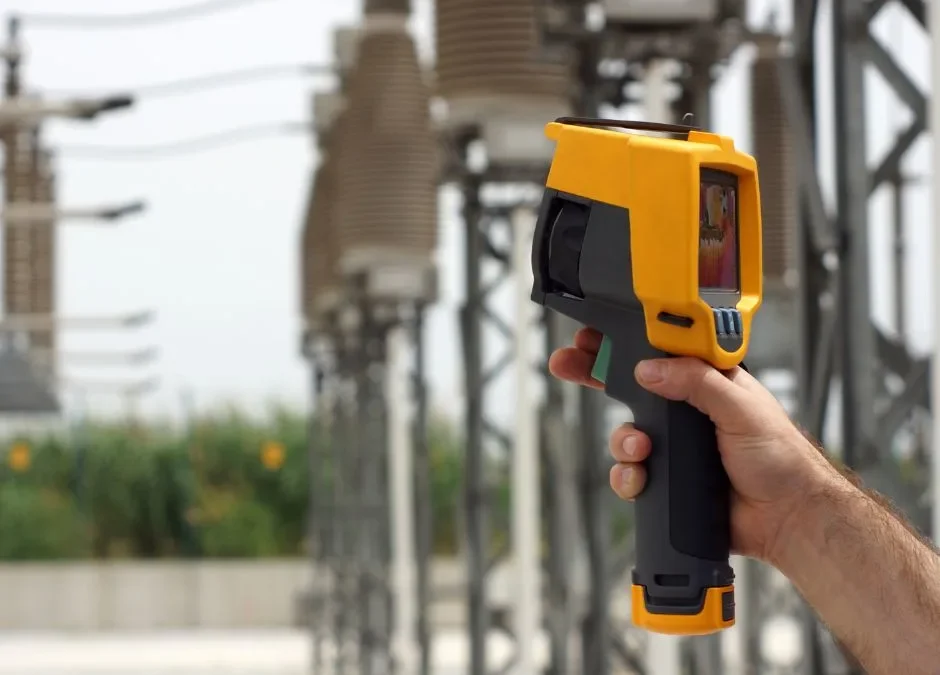
On the scheduled day, the thermographer arrives with specialized equipment, typically an infrared camera, a digital camera for reference photos, safety gear, and a tablet or laptop for recording findings. Professional thermographers will check in with you or your designated contact, review any safety protocols specific to your facility, and confirm which areas need inspection.
Most infrared electrical inspections are conducted with electrical panels and equipment remaining energized and operating normally. This is actually a key advantage; you’re not shutting down operations or interrupting production for the inspection. The thermographer uses the infrared camera to scan electrical panels, switchgear, motor control centers, disconnect switches, transformers, and other electrical distribution equipment from a safe distance.
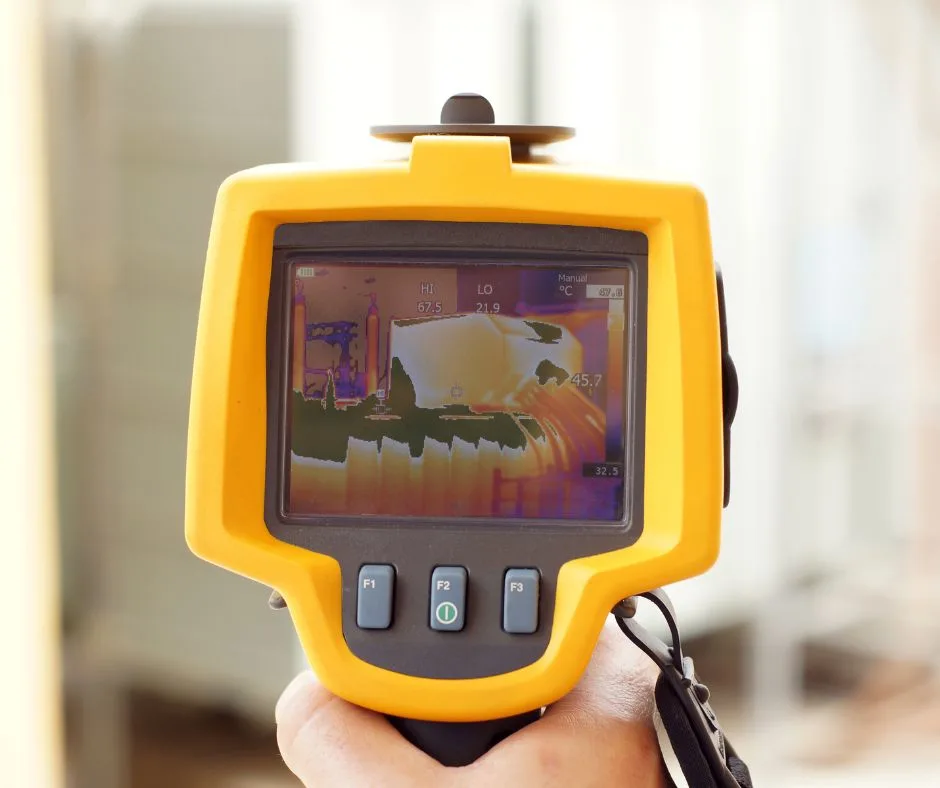
Here’s what the actual scanning looks like: the thermographer opens electrical panel covers (while maintaining appropriate clearances and safety protocols) and systematically scans each circuit breaker, bus bar, connection point, and conductor. The infrared camera displays a thermal image showing temperature variations in different colors; typically, cooler areas appear as darker colors (blues and purples) while hotter areas show as warmer colors (oranges, yellows, and reds).
For each piece of equipment, the thermographer is looking for temperature anomalies. A normal electrical connection might operate at, say, 85°F in a 75°F ambient environment. A connection with a problem might be running at 140°F, 180°F, or higher. The severity of the temperature difference, combined with the type of equipment and operating conditions, helps determine the priority level of any issues discovered.
The Technology Behind Infrared Thermography
The cameras used for electrical inspections aren’t your basic consumer thermal imaging devices. Professional-grade infrared cameras used for electrical thermography typically cost anywhere from $10,000 to $50,000 or more, depending on resolution and features. These cameras detect infrared radiation (heat) that objects emit and convert it into a visible thermal image.
Higher-end cameras offer better thermal sensitivity, meaning they can detect smaller temperature differences. They also provide higher image resolution, which helps identify exactly where a problem exists in dense electrical panels. Features like adjustable emissivity settings, spot temperature measurement, and temperature range settings allow thermographers to get accurate readings on different materials and in different environments.
Most professional thermographers also carry a standard digital camera to take reference photos of each area inspected. These reference photos get paired with thermal images in the final report, so you can see both what the equipment looks like normally and what the thermal signature shows. This pairing is incredibly helpful when you’re reviewing findings later and trying to locate specific equipment in your facility.
How Thermographers Analyze What They Find
As the thermographer scans your electrical equipment, they’re not just looking for hot spots; they’re interpreting what those hot spots mean. This requires both technical training and practical experience. A breaker that’s running 20°F hotter than adjacent breakers might indicate overloading, poor contact, or internal failure. The same temperature difference in a different type of equipment could be perfectly normal.
Most experienced thermographers follow industry standards, particularly those established by NETA (InterNational Electrical Testing Association) or similar organizations, which provide guidelines for interpreting temperature differences. These standards help classify findings into priority categories, typically something like critical (address immediately), serious (address within weeks), moderate (address during next scheduled maintenance), and minor (monitor on next inspection).
The thermographer typically records findings in real-time using a tablet or laptop, noting the location, equipment type, observed temperature, ambient temperature, temperature delta (difference), likely cause, and recommended action. This documentation happens during the inspection, so details are captured accurately while the thermographer is standing in front of the equipment.
For larger facilities, inspections might take several hours or even a full day, depending on the number of electrical distribution points. The thermographer moves systematically through your facility, scanning each electrical panel and major equipment, documenting findings, and answering questions from facility staff as they go.
Post-Inspection Analysis and Quality Review
After completing the on-site scanning, the thermographer returns to their office to compile and analyze the data. This is where raw thermal images and field notes transform into a comprehensive inspection report. The thermographer reviews each thermal image, verifies temperature calculations, confirms priority classifications, and often researches specific equipment types to provide accurate recommendations.
This analysis phase is critical because it’s where professional judgment refines raw data. A thermographer might notice patterns across multiple pieces of equipment that suggest systemic issues rather than isolated problems. They might recognize that certain temperature differences are characteristic of specific failure modes they’ve seen before. This context and experience add significant value beyond just presenting colored thermal images.
Quality thermography providers typically have a review process where senior thermographers or engineers examine findings before reports are finalized. This quality check ensures recommendations are appropriate, priority levels are accurate, and the report provides clear, actionable guidance rather than just data.
Understanding Your Inspection Report
Most infrared inspection reports are delivered within a few days to a week after the on-site inspection. The exact timeline depends on the facility’s complexity and the number of findings, but good thermography providers communicate expected delivery timeframes upfront.
A comprehensive report typically includes an executive summary highlighting critical findings and overall facility condition, detailed findings for each identified issue with paired thermal and visual images, temperature data including ambient temperature and observed temperatures, priority classifications for each finding, recommended actions with suggested timeframes, and often a summary of areas inspected even where no issues were found.
The thermal images in your report usually include annotations showing exactly where the temperature measurements were taken, with the specific temperatures displayed directly on the image. Color scales or temperature gradients help visualize the severity of temperature differences. Many reports also include what’s called a “delta T” reading, the temperature difference between the problem area and a nearby reference point operating normally.
Good reports also explain why each finding matters and what could happen if left unaddressed. For instance, a loose connection might be described with the temperature observed, the fact that loose connections generate heat, which accelerates oxidation and further loosening, and that if unaddressed, this could lead to connection failure, potential arcing, or fire risk. This context helps you prioritize repairs and justify maintenance budgets.
Taking Action on Report Findings
Once you receive the report, the real value comes from acting on the findings appropriately. Critical issues, those creating immediate safety risks or a high likelihood of failure, should be addressed as quickly as possible, often within days. Many facilities in areas like metro Atlanta have established relationships with electrical contractors who can respond quickly to thermography findings.
Serious issues typically get scheduled within the next few weeks, ideally during a planned maintenance window to minimize operational disruption. Moderate findings often get incorporated into your next scheduled electrical maintenance or during an upcoming facility shutdown. Minor findings go onto a watch list for monitoring during the next infrared inspection, which most facilities schedule annually or biannually.
Some thermography providers offer follow-up consulting to help you understand findings, prioritize actions given budget constraints, or coordinate with your electrical contractors to ensure repairs address the root causes identified. This support can be especially valuable if you’re new to interpreting infrared inspection reports or if findings are extensive.
The report also serves as baseline documentation for tracking your electrical system’s condition over time. Comparing annual inspection reports shows whether problems are being addressed effectively, whether new issues are emerging, and how your preventive maintenance program is performing overall.
The Compliance and Insurance Dimension
Beyond the practical maintenance benefits, infrared inspection reports serve important compliance and insurance functions. Many insurance carriers require documented infrared inspections as a condition of coverage for facilities with significant electrical systems. The reports demonstrate due diligence in identifying and addressing electrical hazards before they cause damage or injuries.
Some industries have regulatory requirements around electrical equipment maintenance and inspection that infrared thermography helps satisfy. While OSHA doesn’t explicitly mandate infrared inspections, OSHA’s general duty clause requires employers to provide safe workplaces, and regular thermography inspections demonstrate proactive hazard identification and mitigation.
Keep your inspection reports in a safe, organized location where they’re accessible for insurance audits, regulatory inspections, or facility assessments. Many facilities maintain a binder or digital folder with annual infrared reports, creating a historical record of electrical system condition and maintenance actions taken.
Frequently Asked Questions
How long does a typical infrared electrical inspection take?
Inspection duration varies based on facility size and complexity. A small facility with a few electrical panels might take one to two hours, while large industrial facilities with extensive electrical distribution systems could take a full day or multiple days. Most commercial facilities fall somewhere in between, with inspections typically completed in three to five hours. Your thermography provider can estimate timing based on your facility specifics.
Do we need to shut down operations during the inspection?
No, one of the major advantages of infrared thermography is that inspections are conducted while electrical systems are energized and operating under normal load. In fact, equipment needs to be operating for the inspection to be effective, since problems only generate detectable heat when current is flowing. Operations continue normally during the inspection with no downtime required.
How often should infrared electrical inspections be performed?
Most facilities schedule infrared inspections annually, though some high-risk or mission-critical operations inspect biannually or even quarterly. Annual inspections align with typical electrical maintenance cycles and satisfy most insurance carrier requirements. Facilities that have identified ongoing issues or that have older electrical infrastructure might benefit from more frequent inspections until problems are systematically addressed.
What qualifications should thermographers have?
Look for thermographers with Level I or Level II certification from recognized organizations like the Infrared Training Center (ITC) or ASNT (American Society for Nondestructive Testing). Electrical background or training is valuable, as is specific experience with electrical applications rather than just building envelope or mechanical thermography. Ask about their experience with facilities similar to yours and request sample reports to evaluate their documentation quality.
Can we use our own thermal camera instead of hiring a professional service?
While consumer-grade thermal cameras are becoming more accessible, professional electrical thermography requires specialized equipment, extensive training, and experience interpreting findings. Identifying electrical problems accurately involves understanding normal temperature variations, knowing which temperature differences matter, and recognizing patterns that indicate specific issues. Most facilities find that professional thermography services provide much better value through expertise and comprehensive reporting than attempting DIY inspections.
Professional Infrared Thermography Services That Deliver Value
Shaw Consulting Services provides comprehensive infrared electrical inspection services to facilities throughout the Atlanta area. Our certified thermographers combine advanced thermal imaging technology with extensive electrical engineering expertise to deliver inspections that go beyond simply identifying hot spots; we provide actionable insights that help you maintain safe, reliable electrical systems.
We understand that for many facility managers and safety officers, infrared thermography represents new territory. That’s why we take the time to explain our process, walk through the findings in detail, and provide clear recommendations prioritized by both safety impact and practical considerations, such as budget and operational constraints. Our reports are designed to be accessible to both technical and non-technical stakeholders, featuring visual clarity and written explanations that support informed decision-making.
Our thermography services integrate seamlessly with our broader electrical consulting capabilities, including arc flash assessments, power quality analysis, and electrical equipment maintenance. This integrated approach means we understand your electrical system comprehensively, not just its thermal signatures in isolation.
Whether you’re scheduling your first infrared inspection, taking over a program from a predecessor, or looking for a more responsive thermography partner, we’re here to provide professional service that protects your facility and your people.
Ready to schedule an infrared electrical inspection or discuss how thermography fits into your preventive maintenance program? Contact Shaw Consulting Services to learn more about our inspection services and how we can support your facility’s electrical safety objectives.