
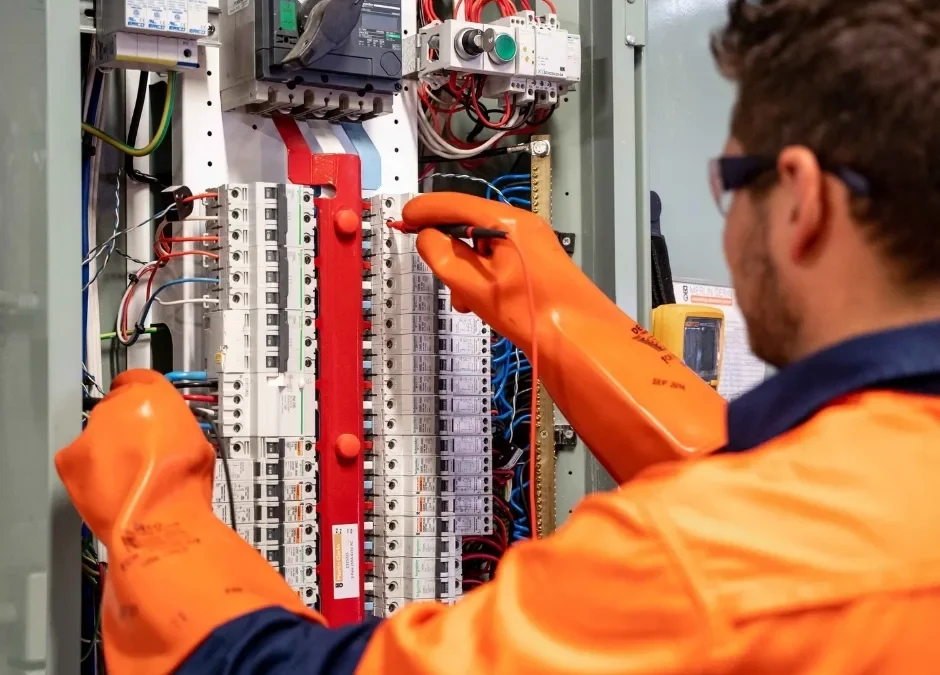
Most facility managers view arc flash assessments as a compliance necessity; something you do to check a box and satisfy OSHA or insurance requirements. And sure, that’s part of it. But here’s what often gets overlooked: the data you gather during an arc flash study is actually a goldmine of information about your electrical infrastructure’s current state and future needs.
Think of an arc flash assessment as a comprehensive health check-up for your electrical system. Just like your doctor doesn’t just tell you whether you’re “compliant” with being alive, they identify risk factors, suggest preventive measures, and help you plan for long-term health; a thorough arc flash study does the same for your facility’s electrical infrastructure.
The Hidden Value in Arc Flash Data
When engineers conduct an arc flash assessment, they’re doing more than calculating incident energy levels and slapping labels on equipment. They’re documenting the actual condition of your electrical system: how equipment performs under load, where bottlenecks exist, which components are approaching end-of-life, and where your system is most vulnerable.
This data reveals patterns that might not be obvious during day-to-day operations. Maybe that switchgear in the east wing is operating near capacity more often than you realized. Perhaps those circuit breakers installed in 2005 are showing signs of wear that could lead to failures. Or your system’s protective device coordination isn’t as robust as it should be for the manufacturing expansion you’re planning.
All of this information is sitting right there in your arc flash study report; if you know how to use it strategically.
Making Smarter Equipment Upgrade Decisions
Here’s a scenario that plays out in facilities across Atlanta and beyond: a piece of electrical equipment fails unexpectedly, and suddenly you’re making rushed decisions about whether to repair or replace, what specifications to choose, and how to minimize downtime. It’s reactive, stressful, and often expensive.
Arc flash assessment data lets you flip this script. By understanding which equipment poses the highest incident energy levels and which components are most critical to safe operations, you can prioritize upgrades proactively. Instead of waiting for failures, you’re strategically replacing equipment based on actual risk and operational impact.
For example, if your assessment reveals that certain electrical panels have incident energy levels exceeding 40 cal/cm², that’s not just a labeling issue; it’s a signal that your protective devices might not be coordinating properly or that equipment might be undersized for current loads. This insight helps you justify equipment upgrades not just on safety grounds, but on operational reliability and efficiency too.
Budget Planning That Actually Reflects Reality
Let’s talk money. Capital planning for electrical infrastructure often feels like educated guesswork; you know you’ll need to replace things eventually, but when? And what should you prioritize when budgets are tight?
Your arc flash study provides concrete data to answer these questions. By identifying high-risk areas and equipment nearing the end of useful life, you can build a multi-year capital improvement plan that’s based on engineering reality rather than assumptions.
This approach has real financial benefits. Instead of emergency expenditures when something fails catastrophically, you’re scheduling upgrades during planned shutdowns. You’re bundling related improvements to reduce labor costs. And you’re making the case to leadership with hard data rather than just saying “we should probably upgrade this.”
One facility manager I know used arc flash data to secure approval for a three-year electrical infrastructure modernization plan. By showing leadership how current equipment posed both safety risks and operational reliability issues, he got budget approval that had been denied in previous years when requests were framed purely as “compliance” projects.
Future-Proofing Your Infrastructure
Most facilities don’t stay static. You might be planning to add production capacity, install new HVAC systems, upgrade to more energy-efficient equipment, or convert spaces for different uses. All of these changes affect your electrical demand and your arc flash hazard levels.
A current arc flash assessment gives you a baseline to evaluate how proposed changes will impact your electrical system. Before you commit to that new production line or building expansion, you can model how additional load will affect incident energy levels and whether your existing infrastructure can safely support it.
This forward-looking perspective is especially valuable for facilities dealing with electrification trends. As more equipment shifts to electric power, from fleet vehicles to heating systems, electrical demand is increasing. An arc flash study that’s part of your regular planning cycle helps you stay ahead of these changes rather than discovering problems after new equipment is installed.
Integration with Overall Facility Planning
The most sophisticated facility managers don’t treat arc flash assessments as standalone safety documents. They integrate this data into their overall facility management systems and planning processes.
Your Computerized Maintenance Management System (CMMS) can incorporate arc flash findings into predictive maintenance schedules. Your capital planning spreadsheets can reference arc flash data when prioritizing projects. Your risk management reports can use incident energy levels as one metric for facility risk.
This integrated approach transforms arc flash data from a static report into a living resource that informs decisions across multiple departments. Safety directors use it. Maintenance teams reference it. Finance considers it. Operations plans around it.
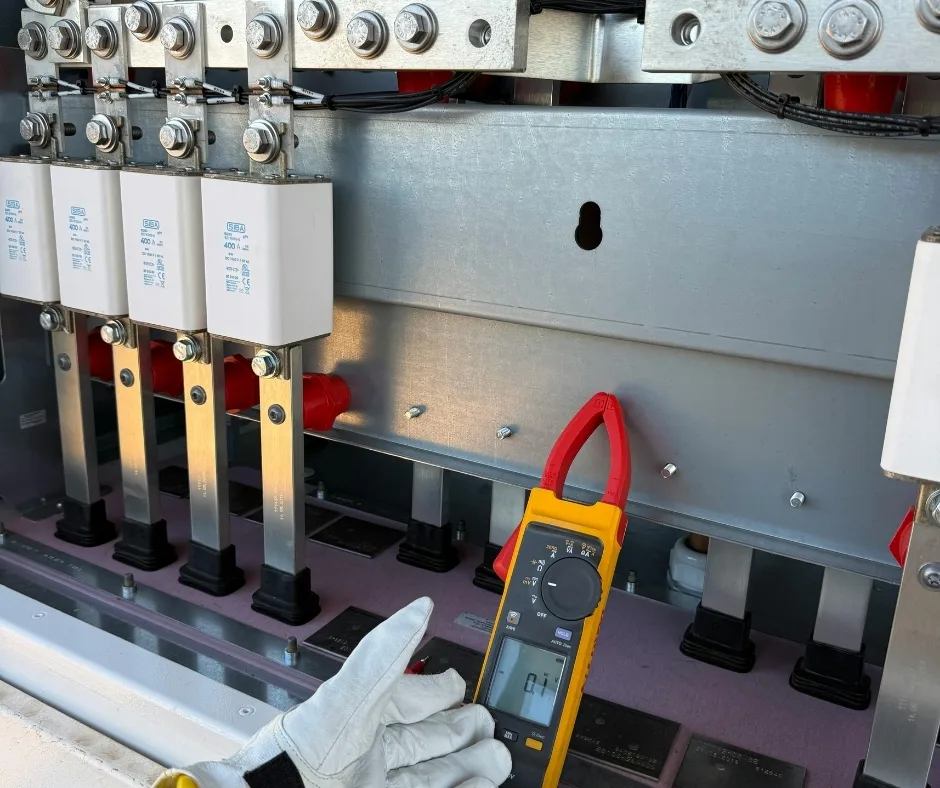
Equipment Lifecycle Planning Gets More Precise
Every piece of electrical equipment has a useful life, but knowing exactly when to replace something is more art than science, unless you have good data. Arc flash assessments contribute to more accurate lifecycle planning by documenting actual operating conditions, not just manufacturer estimates.
A circuit breaker might have a 25-year rated life, but if it’s operating in harsh conditions, experiencing frequent fault events, or cycling more than typical, its actual useful life might be shorter. Your arc flash study documentation, especially when repeated every few years, creates a performance history that helps you make informed decisions about when to replace versus repair.
This precision matters because premature replacement wastes capital, while delayed replacement increases failure risk. Arc flash data helps you find the sweet spot where you’re maximizing equipment life without crossing into dangerous territory.
The ROI Nobody Talks About
Here’s the bottom line that often gets missed: while arc flash assessments have a cost, they also provide a return on investment that goes beyond avoiding OSHA citations.
Facilities that use arc flash data strategically report fewer unplanned electrical outages, longer intervals between major electrical failures, more efficient capital deployment, and lower insurance premiums. They also report fewer safety incidents, which obviously has both moral and financial implications.
When you can prevent one major electrical failure through proactive equipment replacement informed by arc flash data, you’ve likely paid for multiple years of assessment costs. When you can build a capital plan that secures budget approval because it’s backed by engineering data, that’s tangible value. When your electrical infrastructure reliably supports operations without surprises, that’s ROI you can measure.
Frequently Asked Questions
How often should arc flash assessments be updated for planning purposes?
For strategic planning, reassess every 3-5 years or whenever you make significant electrical system modifications. This frequency provides fresh data to inform capital planning while being cost-effective. More frequent updates may be warranted for facilities with aggressive expansion plans or rapidly changing electrical loads.
Can arc flash assessment data help justify infrastructure budgets to management?
Absolutely. Arc flash studies provide objective engineering data showing safety risks, equipment conditions, and operational impacts. This transforms budget requests from opinions into data-backed proposals that quantify both risks of inaction and benefits of investment.
What’s the difference between a compliance-focused and planning-focused arc flash study?
A compliance-focused study primarily generates labels and safe work procedures. A planning-focused study goes deeper, analyzing equipment condition, identifying upgrade opportunities, modeling future scenarios, and providing recommendations for infrastructure improvements. Many engineering firms offer both levels of service.
Do older facilities benefit more from using arc flash data for planning?
Older facilities often see dramatic benefits because their arc flash studies frequently reveal equipment at or beyond useful life, outdated protective device coordination, and systems not designed for current loads. However, even newer facilities benefit from using arc flash data to plan for growth and ensure investments align with long-term needs.
How do arc flash assessments integrate with other facility planning tools?
Arc flash data complements energy audits, reliability-centered maintenance programs, condition monitoring systems, and capital planning processes. The incident energy calculations, equipment evaluations, and system analysis from your arc flash study should feed into your CMMS, capital planning spreadsheets, and risk management frameworks for a comprehensive facility planning approach.
Partner with Experts Who Understand Strategic Planning
At Shaw Consulting Services, we’ve spent years helping Atlanta-area facility managers transform arc flash assessments from compliance documents into strategic planning tools. Our engineering team doesn’t just calculate incident energy and create labels; we work with you to understand your facility’s growth plans, operational challenges, and capital constraints.
When we conduct an arc flash study, we’re looking at your electrical infrastructure through two lenses: immediate safety compliance and long-term operational excellence. We provide detailed recommendations for equipment upgrades, help you prioritize improvements based on risk and budget, and explain findings in practical terms that resonate with both technical teams and executive leadership.
Whether you’re managing a single facility or multiple locations across the region, our comprehensive arc flash assessment services deliver the data and insights you need to make confident decisions about your electrical infrastructure. We also offer ongoing power studies, infrared testing, and breaker maintenance to keep your systems operating safely and reliably.
Ready to see how your arc flash data can inform smarter facility planning? Contact Shaw Consulting Services to discuss how we can help you maximize the value of your electrical safety investments.